Highbury Barn Flat Cleaning Checklist N5
Posted on 06/06/2026
If you live in or care for a flat around Highbury Barn, you already know the usual pattern: busy mornings, narrow hallways, awkward corners, and not quite enough time to do a proper clean before life rushes back in. A good Highbury Barn Flat Cleaning Checklist N5 makes that easier. It gives you a clear plan, helps you avoid the "I'll get to that later" trap, and keeps your home feeling calm rather than constantly half-done.
This guide is written for real flats, real routines, and real London pace. Whether you are preparing for guests, doing a seasonal reset, moving in, or simply trying to stay on top of things, you will find a room-by-room approach, practical tips, and a simple checklist you can actually use. No fluff. Just a sensible method that works in everyday life.
For broader help with deeper refreshes, you may also want to look at spring cleaning support in Highbury, or if you are comparing ongoing help with one-off visits, the services overview is a useful starting point.
Why Highbury Barn Flat Cleaning Checklist N5 Matters
A flat cleaning checklist is not just a neat bit of organisation. In a Highbury Barn flat, it solves a very real problem: small spaces show mess quickly. Dust settles on shelves, crumbs gather in kitchen edges, bathroom limescale builds up faster than you expect, and a single neglected corner can make the whole place feel untidy. That is especially true in older buildings, compact layouts, and homes where shoes, coats, bikes, prams, and everyday clutter all seem to compete for the same square metre.
The point of a checklist is consistency. Instead of cleaning reactively when things look bad, you follow a repeatable order. That means fewer missed spots, less wasted effort, and a cleaner result that lasts longer. It also helps if you are sharing the flat, because everyone can see what "done" actually means. Handy, really.
There is another reason it matters in N5. Highbury Barn sits in an area where people move between renting, buying, renovating, and upgrading their homes quite often. If you are preparing a flat for viewings, handover, a deep refresh, or a tenant changeover, a clear checklist stops last-minute panic. For anyone thinking about property standards or a move in the local market, guides like buying property in Highbury and navigating the Highbury real estate market can help frame the bigger picture.
Expert summary: The best flat cleaning checklist is not the longest one. It is the one you can follow on a normal Tuesday evening without dreading it. Simple, ordered, and realistic always beats ambitious and abandoned.
How Highbury Barn Flat Cleaning Checklist N5 Works
The checklist works by breaking the flat into zones and assigning each zone a job. That sounds obvious, but it is the difference between "I cleaned the kitchen" and "I cleaned the kitchen properly." When you clean by zone, you reduce backtracking and avoid spreading dust or grease from one area into another.
Most good flat cleaning systems use three layers:
- Daily or light upkeep for quick resets like wiping surfaces, loading the dishwasher, and dealing with spills.
- Weekly cleaning for bathrooms, floors, sinks, mirrors, and visible dust.
- Deeper periodic cleaning for limescale, skirting boards, inside appliances, under furniture, and upholstery.
That layered approach makes sense because not every task deserves the same frequency. Truth be told, trying to deep-clean the whole flat every week is a fast route to exhaustion. A better method is to keep the high-traffic areas under control and reserve the more detailed work for a planned session. If you need a more thorough reset, deep cleaning in Highbury is the sort of service many people look at when the place needs more than routine upkeep.
In practice, the checklist also gives you order. Tidy first, dust second, clean top to bottom, and finish with floors. That way you are not knocking debris onto a freshly wiped surface. Simple, yes, but it saves a lot of double work.
Key Benefits and Practical Advantages
Using a structured flat cleaning checklist brings a few immediate benefits that people notice quickly.
- Less stress: You are not deciding what to clean next every time you pick up a cloth.
- Better results: A methodical pass catches overlooked marks, corners, and touchpoints.
- Faster cleaning: Once the sequence becomes familiar, the job takes less time.
- Cleaner-looking flat: A tidy flat is not only cleaner; it also feels brighter and more spacious.
- Fairer shared living: In a shared flat, the list gives everyone the same standards.
- Better for handovers: End-of-tenancy inspections, moving day, and guest arrivals all go more smoothly.
There is also a confidence factor. A lot of people clean what they can see and then assume that is enough. It often is not. A checklist helps you build a fuller picture, so you do not forget spots like behind the loo, the tops of door frames, or the area around bins. Those little areas are often the difference between "tidy" and "properly clean."
If you are booking external help, a checklist also makes it easier to explain expectations. For example, if you are comparing one-off cleaning in Highbury with a recurring domestic visit, you can describe what you want done more clearly. That usually leads to a better outcome and fewer awkward assumptions later on.
Who This Is For and When It Makes Sense
This kind of cleaning checklist is useful for more people than you might think. It is not only for people who love organising cupboards in colour-coded containers. It helps anyone who wants a cleaner flat without constantly feeling behind.
It makes particular sense for:
- Tenants getting ready for inspections or moving out.
- First-time buyers settling into a new flat and wanting a proper reset.
- Busy professionals who need a realistic routine after work.
- Flat sharers trying to keep standards fair across the household.
- Landlords and hosts who need the property ready between occupiers.
- Families managing traffic, shoes, snacks, laundry, and all the rest of it.
It also makes sense after specific events. A dinner party leaves fingerprints and kitchen residue. A stretch of wet weather means muddy floors and damp entryways. A busy weekend can make the flat feel strangely tired by Monday morning. For local context on life in the area, local opinions on living in Highbury and getting to know Highbury as a neighbourhood offer a useful backdrop.
And yes, if you have ever looked at a flat and thought, "It was clean yesterday, so why does it already feel messy today?"-you are absolutely not alone.
Step-by-Step Guidance
The easiest way to use a cleaning checklist is to work from the least dirty area to the most demanding, and from high to low. That stops you undoing your own work.
1. Start with a quick reset
Pick up laundry, empty bins, put loose items back where they belong, and clear worktops. In a flat, visual clutter can make everything look dirtier than it really is. Clear the stage before you start the performance, as the saying almost goes.
2. Open windows where practical
A few minutes of fresh air can make cleaning feel easier and help the flat smell less stale. If it is chilly, even a short ventilation burst is enough. You do not need to turn the place into an Arctic expedition.
3. Dust from top to bottom
Begin with light fixtures, shelves, frames, and higher ledges. Then work down to side tables, skirting boards, and corners. This is one of those tiny habits that makes a huge difference. Dust falls, so let gravity work for you, not against you.
4. Tackle the kitchen carefully
Focus on the hob, splashback, sink, taps, handles, and visible grease. Empty crumbs from drawers if needed. Wipe cupboard fronts and the fridge door. If there is a stubborn build-up, use the right cleaner for the surface rather than scrubbing harder and hoping for a miracle. The miracle is usually patience.
5. Clean the bathroom thoroughly
Bathrooms reward consistency. Scrub the basin, toilet, shower screen, bath, mirrors, and tiled areas. Pay close attention to soap scum and limescale around taps and edges. If you are short on time, prioritise the places people touch most often: handles, flush buttons, taps, and switches.
6. Deal with flooring last
Vacuum carpets and rugs, then sweep and mop hard floors. Move small items first. If you have pets, go a bit slower around edges and under furniture where hair gathers. In a compact Highbury flat, it is amazing how much debris can hide under a sofa, honestly.
7. Finish with touchpoints
Wipe light switches, door handles, banisters, appliance handles, and remote controls. These are small, but they are the parts people touch all the time. That final pass makes the whole flat feel properly fresh.
8. Walk through once more
Before you stop, do a slow check from entrance to bedroom. Look for anything that still looks out of place: streaky mirrors, dust lines, splash marks, or missed edges. A final scan catches the things your brain stops noticing after ten minutes. It happens to everyone.
Expert Tips for Better Results
A checklist is useful on its own, but a few habits make it work better.
- Use the right cloth for the right job. Microfibre is often better for dust and polish, while a tougher cloth helps with kitchen and bathroom grime.
- Do not overload one session. A focused 45-minute clean can be more effective than a drained three-hour ordeal.
- Let products sit briefly where safe. Grease and limescale often soften if you give them a minute.
- Keep a small caddy ready. If your tools are easy to grab, you are more likely to actually clean. Funny how that works.
- Stick to a repeatable order. Routine reduces decision fatigue and keeps cleaning efficient.
Another useful tip: if you share the flat, assign zones rather than "everyone helps." That vague approach tends to become one person doing the lot while the others are mysteriously very busy. Clear tasks are fairer and calmer.
If you are thinking beyond basic upkeep and want a proper deeper refresh, the Highbury spring cleaning guide can be a helpful companion to this checklist, especially in seasonal resets when dust and damp have had time to settle in.
Common Mistakes to Avoid
Most cleaning mistakes are not dramatic. They are small habits that quietly reduce the result. The good news is they are easy to fix once you spot them.
- Cleaning in the wrong order: If you mop before dusting, you will probably need to mop again.
- Using too much product: More cleaner does not always mean better cleaning. Sometimes it just leaves residue.
- Ignoring hidden areas: Behind taps, under appliances, and around skirting boards collect grime more quickly than people expect.
- Skipping ventilation: Without fresh air, damp smells and cleaning fumes can linger.
- Trying to do everything in one burst: A tired cleaner is a sloppy cleaner. That is just how it goes.
- Forgetting the finish: Touchpoints and final checks make a flat feel genuinely clean, not merely tidied.
One of the most common errors in small flats is forgetting that surfaces near the entrance and kitchen need more frequent attention than guest bedrooms or storage zones. High traffic areas collect the reality of daily life. Shoes, cooking, bags, shopping, and wet coats all leave a trace.
There is also a bigger-picture mistake: assuming every clean must be perfect. It does not. A sustainable cleaning routine is the one you can actually keep going.
Tools, Resources and Recommendations
You do not need a mountain of products to keep a flat in good condition. A modest, well-chosen kit is usually enough.
| Tool | Best for | Why it helps in a flat |
|---|---|---|
| Microfibre cloths | Dusting, wiping, polishing | They are reusable and work well on most everyday surfaces. |
| Vacuum cleaner with attachments | Floors, edges, upholstery, corners | Useful in smaller rooms where crumbs and hair gather quickly. |
| Non-scratch scrub pad | Kitchen and bathroom residue | Helps remove grime without damaging delicate finishes. |
| Mop or spray mop | Hard floors | Handy for compact flats where storage is tight. |
| Bucket or caddy | Transporting supplies | Keeps everything together so you are not hunting around mid-clean. |
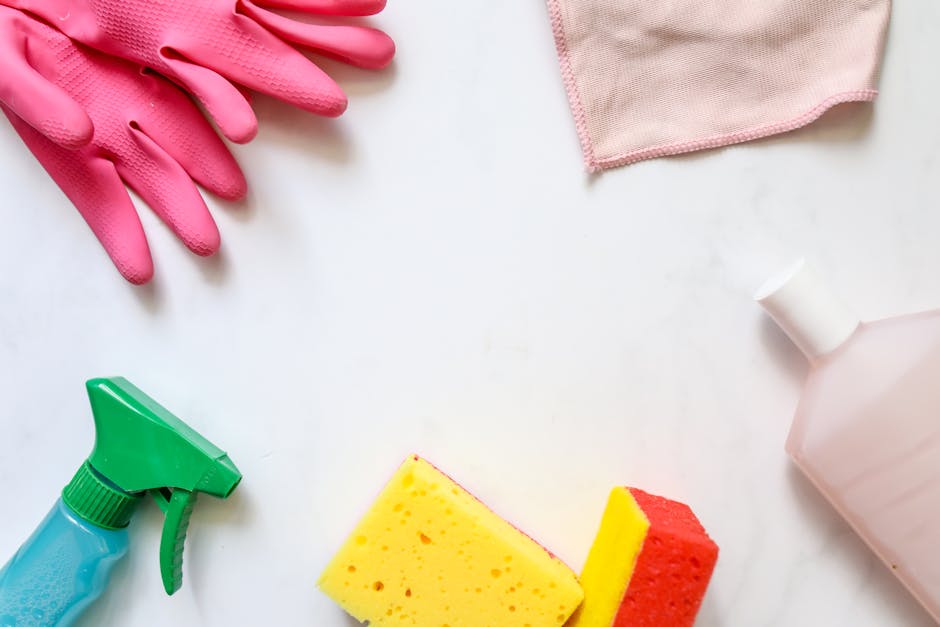
| Gloves | General protection | Useful for longer sessions, especially around bathroom products. |
For homeowners, renters, and landlords who want help maintaining a flat on a more regular basis, domestic cleaning in Highbury and house cleaning support can be useful alternatives to occasional DIY clean-ups. If you are managing a property or a busy work schedule, those options can save time in the long run.
If you need a deeper fabric refresh, carpet cleaning and upholstery cleaning are worth considering where soft furnishings have started to hold onto dust or odour. That often happens quietly, then suddenly all at once.
Law, Compliance, Standards, or Best Practice
For a typical flat cleaning checklist, the main compliance concerns are not complicated, but they do matter. If you are cleaning your own home, the biggest issues are safe product use, ventilation, and avoiding damage to surfaces. If you are cleaning for a landlord, tenant, managing agent, or business purpose, best practice becomes more important because standards are expected to be clear and consistent.
In the UK, a sensible approach is to follow manufacturer instructions on cleaning products, use products safely, and keep an eye on ventilation and slip hazards. For flats, that usually means not mixing products, not over-wetting floors, and making sure the space is safe before anyone walks through it. Common sense, yes, but worth saying plainly.
If you are using professional cleaning support, it is also sensible to check how the company handles insurance, safety, and complaints. Those details say a lot about professionalism. You can review insurance and safety information, along with the health and safety policy and complaints procedure if you want a clearer picture of service standards and accountability.
For payment and privacy concerns, it is also reasonable to read the payment and security page and privacy policy. That is not about being overly cautious. It is just good practice when you are inviting a service into your home or managing access to a property.
Options, Methods, or Comparison Table
There is no single right way to clean a flat, but there are a few practical approaches. The best one depends on time, budget, and how much buildup you are dealing with.
| Method | Best for | Pros | Trade-offs |
|---|---|---|---|
| Quick checklist clean | Weekly upkeep | Fast, simple, easy to keep going | Won't address deeper grime |
| Room-by-room reset | Busy flats and shared homes | Clear structure, less missed work | Can take longer if each room is heavily used |
| Deep cleaning session | Seasonal refresh or pre-move | More thorough, better for hidden buildup | More effort and planning required |
| Professional cleaning visit | Time-poor households, end of tenancy, special occasions | Convenient, often more consistent | Costs more than DIY |
For many readers, the sweet spot is a mix: do the weekly checklist yourself, then book professional support for heavier jobs or occasional resets. That balance is often more realistic than trying to do everything alone. If you want to compare booking options, the pricing and quotes page and the quote request form are the most direct next steps.
Case Study or Real-World Example
Here is a very ordinary example, which is exactly why it is useful. Imagine a two-bedroom flat near Highbury Barn with one shared bathroom, an open-plan kitchen-living area, and a hallway that seems to collect shoes from every direction. The residents are both working full-time, and by Thursday evening the place feels busier than it actually is.
They start using a simple cleaning checklist twice a week. On one night, they focus only on kitchen surfaces, bins, and floors. On the other, they deal with the bathroom, dusting, and touchpoints. After a few weeks, they notice something practical: the flat still gets dirty, of course, but the cleaning never becomes a mountain. It stays manageable. The bathroom stops needing a heroic rescue. The kitchen takes half the time it used to. And when visitors come over on a Friday night, the flat looks ready rather than rushed.
That is the real value of a structured approach. Not perfection. Control. A small difference, but it changes how the home feels at the end of the day.
For people living near busy local spots, like around the Emirates Stadium corridor, dirt and foot traffic can be a little more noticeable after events or wet weather. If that sounds familiar, these cleaning tips for homes near Emirates Stadium may be especially relevant.
Practical Checklist
Use this as a straightforward working checklist for a Highbury Barn flat. Keep it on your phone or print it out. No drama.
- Open windows briefly for ventilation where practical.
- Remove clutter, laundry, and loose items from floors and surfaces.
- Empty bins and replace liners.
- Dust shelves, frames, ledges, and light fittings from top to bottom.
- Wipe mirrors, glass, and visible marks on furniture.
- Clean kitchen counters, sink, taps, handles, and splashback.
- Degrease hob areas and check around cooker knobs.
- Wipe cupboard doors, fridge handles, and small appliance exteriors.
- Scrub the bathroom sink, toilet, bath, shower screen, and tiles.
- Remove limescale from taps and around drainage points where needed.
- Vacuum carpets, rugs, and edges around the room.
- Sweep and mop hard floors carefully.
- Wipe light switches, handles, and other high-touch points.
- Check corners, skirting boards, and under furniture for missed dust.
- Do a final walk-through and correct any streaks, spots, or leftovers.
Quick takeaway: If you keep the order consistent, your cleaning will feel less chaotic and the results will last longer. That is really the whole game.
For readers who want help turning a checklist into a reliable routine, the best next step is usually to look at the available service options and decide whether you need a one-off reset, regular support, or something more specialised. You can explore one-off cleaning, compare it with domestic cleaning, or simply get in touch through the contact page if you'd rather ask a few questions first.
Get a free quote today and see how much you can save.
Conclusion
A good Highbury Barn flat cleaning checklist is not about being spotless all the time. It is about making cleaning predictable, efficient, and calm enough to live with. Once you have a clear order, the flat becomes easier to maintain, easier to host in, and easier to hand over if you are moving on. In a busy N5 routine, that matters more than people sometimes admit.
Start small if you need to. Pick the rooms that cause the most stress and build from there. Once the sequence becomes familiar, cleaning stops feeling like a vague chore and starts feeling like a quick reset. And that, to be fair, is a very nice change.
Use the checklist, keep it realistic, and let the rest follow naturally. A tidy flat has a way of making the whole day feel lighter.