Hidden Costs in Highbury Cleaning What to Watch For

If you have ever compared cleaning quotes in Highbury and felt the numbers did not quite add up, you are not imagining it. Hidden costs in Highbury cleaning can creep in through parking, access, add-ons, minimum charges, or vague service wording, and they often show up only after the cleaner has arrived or the invoice lands. That is why knowing what to watch for matters. It protects your budget, keeps expectations realistic, and helps you choose a service that is actually good value, not just cheap on paper.
This guide breaks down the common extras, the warning signs, and the questions worth asking before you book. It also shows you how to compare quotes properly, how local property layouts in Highbury can affect pricing, and when a slightly higher upfront price may save you money in the end. Simple idea, really. But it saves a lot of stress.
Why Hidden Costs in Highbury Cleaning What to Watch For Matters
Cleaning services can look straightforward from the outside. You ask for a price, get a quote, and book a slot. Easy enough. But in practice, the final amount can change once the cleaner sees the property, the access situation, or the level of work needed. In Highbury, that risk is especially relevant because homes and commercial spaces vary a lot: compact flats, converted buildings, older terraces, busy streets, controlled parking zones, and properties where access takes a bit of planning.
The biggest issue is not that businesses charge for extra work; plenty of reasonable extras are legitimate. The issue is surprise. When a quote is vague, the booking feels fine right up until you notice a charge for carpet treatment, stair access, out-of-hours work, or equipment hire that was never clearly explained. That can turn a decent value booking into a frustrating one very quickly.
For anyone comparing domestic cleaning Highbury, house cleaning Highbury, or more specialist work such as deep cleaning in Highbury, clarity matters as much as price. A transparent quote lets you compare like with like, which is far more useful than chasing the lowest headline figure.
Expert summary: A clean quote is not only about the number at the bottom. It should tell you what is included, what is excluded, and what could reasonably change the final bill. If it does not, you are not comparing real prices.
It is also worth thinking about the broader local context. If you are moving, renting out a property, or preparing for a special occasion, the timing pressure can push people into booking the first available service. That is usually when small fees become expensive lessons. In other words: a rushed decision and a vague quote are not a great combination. Not ideal at all.
For readers also navigating property decisions or settling into the area, our related guides like buying property in Highbury and living in Highbury offer useful local context. And if you want a broader sense of the neighbourhood itself, this overview of Highbury is a helpful read.
How Hidden Costs in Highbury Cleaning What to Watch For Works
Hidden costs usually appear in one of three places: the quote itself, the booking conditions, or the onsite assessment. A cleaner may estimate based on room count, but once they arrive they find heavier soil, inaccessible areas, extra parking time, or a request for something outside the original scope. That is not always unfair. The problem is when the customer was never clearly told that the price could shift.
Here are the most common ways costs become less obvious:
- Minimum booking fees: You may be charged for a set number of hours even if the job finishes sooner.
- Add-on services: Oven cleaning, fridge cleaning, interior windows, carpet shampooing, or upholstery treatment may be priced separately.
- Condition-based surcharges: Heavily soiled areas, pet hair, mould, limescale, or post-party mess can change the labour needed.
- Access-related fees: Long walks from parking, no lift access, key collection, or waiting time can add cost.
- Late changes: Changing the date, extending the scope, or adding rooms after booking can alter the final total.
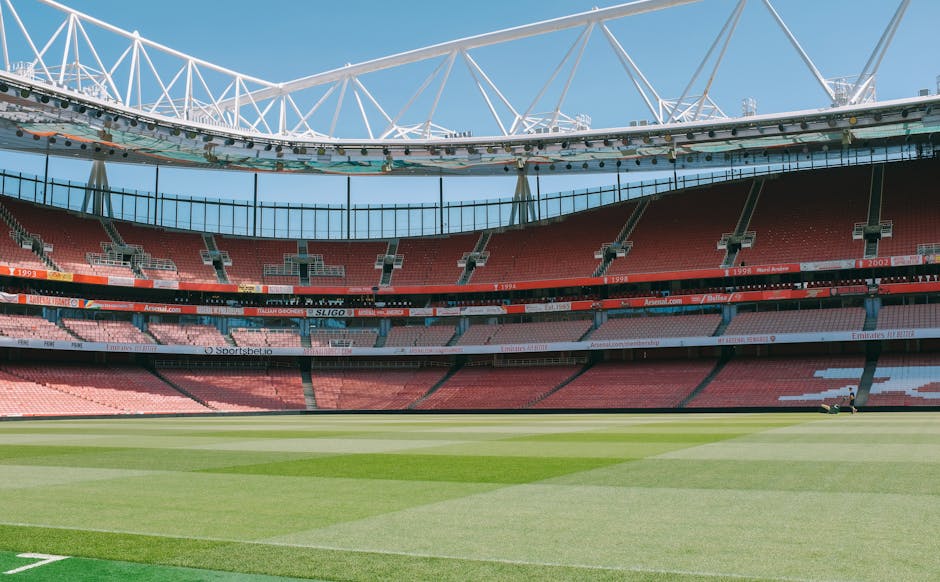
In Highbury, access is a real consideration. A cleaner working near busy streets or around event-heavy days can lose time on parking or timing, particularly if the property sits close to transport links or high-traffic routes. Our article on houses near Emirates Stadium touches on some of those everyday realities, and they do affect service planning more than people expect.
Another subtle issue is wording. Phrases like "from," "starting at," or "subject to inspection" are not automatically bad, but they should make you pause. Ask what happens if the cleaner discovers extra work. Ask whether a quote is fixed or estimated. Ask whether VAT is included if relevant. The answer should be plain, not slippery.
If the job is part of moving out, a tenancy clean, or a larger property refresh, the risk of missing extras is even higher. That is why services such as end of tenancy cleaning in Highbury and spring cleaning in Highbury deserve careful scoping at the quoting stage. One detail left out now can become the annoying line item later. Happens all the time, truth be told.
Key Benefits and Practical Advantages
Spotting hidden costs early is not just about saving money, although that is a big part of it. It also helps you make better decisions about service quality, timing, and the right type of cleaning for your property. Once you know what should and should not be included, the whole process becomes less stressful.
- Better budgeting: You know the realistic total before you commit.
- Fairer comparisons: You can compare two quotes on the same basis instead of comparing apples with oranges.
- Fewer disputes: Clear expectations reduce awkward conversations when the invoice arrives.
- Smarter service selection: You can decide whether a one-off visit, a regular clean, or a specialist service is the best fit.
- Higher trust: Transparent companies usually make the rest of the process feel easier too.
There is also a practical efficiency gain. When a cleaner knows the real job in advance, they can bring the right equipment, assign enough time, and avoid rushing. That often means a better finish. So yes, clarity can save money, but it can also improve the actual result. Which, let's face it, is the point.
For example, if you are looking at carpet cleaning in Highbury, the quote should make clear whether stain treatment, deodorising, or heavy furniture moving is included. The same applies to upholstery cleaning Highbury work, where fabric type and condition can change the job considerably. No mystery, no surprises.
And if you are choosing between more general upkeep and a larger refresh, the service overview at services overview can help you think through the right category before you request a quote. That little bit of preparation tends to pay off.
Who This Is For and When It Makes Sense
This topic matters to anyone booking cleaning in Highbury, but a few groups feel the impact more than others.
- Tenants moving out: You want a thorough clean without surprise charges that break the budget.
- Homeowners preparing for guests: When time is tight, hidden extras can throw off the whole plan.
- Landlords and letting agents: You need a service that is predictable, documentable, and easy to reconcile.
- Busy families: Small add-ons can pile up fast if you are booking regular cleaning plus occasional deep cleans.
- Office managers: For workplace cleaning, a tiny fee here and there becomes a real budget issue over months.
This is especially relevant if you are comparing domestic cleaning with office cleaning. The pricing logic can be very different. An office may need out-of-hours access and rubbish handling, while a home may need extra attention on kitchens, bathrooms, or stairs. Different jobs, different moving parts.
It also makes sense if you have just moved into the area and are still learning how local properties work. Some Highbury homes have awkward layouts, narrow hallways, or older fixtures that take longer to clean properly. If you are new to the neighbourhood, navigating the Highbury property market and best places for parties in Highbury may seem unrelated at first, but both reflect the practical pace and character of the area.
In our experience, the people who benefit most are the ones who ask a few awkward questions before booking. Not because they are difficult, but because they are realistic. That is a very different thing.
Step-by-Step Guidance
If you want to avoid hidden charges, use a simple process. You do not need a spreadsheet the size of a small boat. You just need a clear routine.
- Define the job properly. List every room, area, and special task you want done. Be honest about the mess level too. A "normal clean" and a post-party clean are not the same thing.
- Ask whether the quote is fixed or estimated. This is one of the most important questions. Fixed quotes are easier to budget for; estimated quotes can be fine, but only if the adjustment rules are clear.
- Check what is included. Look for window interiors, ovens, fridges, skirting boards, descaling, stain treatment, and moving furniture. If it is not written down, do not assume it is included.
- Confirm access details. Mention parking, floor level, lift availability, key pickup, building entry codes, and any time restrictions. Small access issues can create big costs later.
- Ask about equipment and supplies. Some companies bring everything; others price certain products separately. If you have preferred eco-friendly products or allergy concerns, say so early.
- Review cancellation and rescheduling terms. A cheap quote is not cheap if changing the appointment triggers a fee you did not expect.
- Compare more than price. A slightly higher quote may include more tasks, better timing, or clearer insurance and terms. That can be better value overall.
A useful habit is to repeat the quote back in your own words: "So this includes X, Y, and Z, but excludes A and B unless I add them?" That simple summary catches a lot of misunderstandings. A bit awkward in the moment, perhaps, but worth it.
If your job involves a more detailed refresh, a specialist service such as deep cleaning or one-off cleaning may be the cleaner starting point than a generic domestic visit. Starting with the right service often avoids the "oh, that'll be extra" conversation later on.
Expert Tips for Better Results
Once you know the basics, a few small tactics can make a big difference. These are the details people often miss.
- Send photos before booking. A few clear images of the kitchen, bathrooms, carpets, or upholstery help the cleaner price the job more accurately.
- Describe problem areas plainly. Say "grease on extractor hood," "pet hair on sofa," or "heavy limescale in shower" instead of "needs a good clean." Specific wording helps.
- Ask for itemised quotes where possible. Even a simple breakdown can reveal whether a price is fair or padded with extras.
- Check whether parking or congestion costs are your responsibility. This is especially useful in busier parts of London and on tighter residential streets.
- Plan for access time. If the cleaner has to wait for a key, a concierge, or a neighbour, that time may count.
- Make decisions before the visit, not during it. Adding tasks mid-clean is convenient, but it can be expensive.
One little real-world observation: the best quotes often come from customers who are slightly over-prepared. Nothing dramatic, just a floor plan, a few photos, and a clear list. It saves everyone time. It also tends to result in less back-and-forth, which is a nice bonus.
If your main concern is trust, spend a moment reviewing company policies alongside the service page. Pages like terms and conditions, payment and security, and insurance and safety can give you a better sense of how the provider handles risk, payment, and responsibilities. Not glamorous reading, granted, but useful.
For more background on the business itself, about us is worth a look. Trust is easier when you know who you are dealing with.
Common Mistakes to Avoid
Most hidden-cost problems come from assumptions, not bad intentions. The customer assumes one thing; the cleaner assumes another. That gap is where the invoice surprise lives.
- Assuming everything is included. Always check. Especially for ovens, windows, appliances, carpets, and upholstery.
- Ignoring access details. If parking is difficult or the property is on an awkward floor, mention it upfront.
- Booking based only on the cheapest headline price. Low upfront prices sometimes hide basic exclusions.
- Forgetting about minimum charges. A shorter job may still be billed at the minimum time or minimum fee.
- Leaving special conditions out of the conversation. Pets, smoke residue, heavy grease, or post-event mess can all change the scope.
- Changing the job after the cleaner arrives. This is where many extra costs are born.
A classic example is end-of-tenancy work. A tenant books what sounds like a standard clean, then later asks for oven treatment, internal windows, and a stain removal pass. Fair enough, but that is no longer the same job. If you are at this stage, end of tenancy cleaning in Highbury is usually a better fit than trying to bolt extras onto a basic booking.
Another mistake is not reading the complaints process before booking. You hope never to need it, of course, but if a problem does arise, it is good to know the route for raising it. The page on complaints procedure is there for exactly that reason.
And one more, if I may: do not confuse "fast reply" with "complete information." A quick response is nice. A clear one is better.
Tools, Resources and Recommendations
You do not need specialised software to avoid hidden costs, but a few simple tools help a lot:
- Phone camera: Take photos of the areas that need cleaning.
- Short written brief: Keep a note of rooms, tasks, and priorities.
- Quote comparison checklist: Compare inclusion, exclusions, minimum charges, and access assumptions.
- Calendar reminder: Useful for cancellation windows or rescheduling deadlines.
- Message thread or email trail: Keep written confirmation of what was agreed.
For readers wanting to understand service scope more broadly, the most useful site pages are often the ones that explain what type of cleaning is best for a particular situation. That includes carpet cleaning, upholstery cleaning, spring cleaning, and one-off cleaning. The better matched the service, the fewer surprise costs later.
If you are still in the research phase, pricing and quotes can help set expectations before you request anything formal. And if you are ready to move ahead, you can always request a quote once you have your job details together. That tends to get the best response, in all honesty.
For readers who are still orienting themselves around the neighbourhood, get to know Highbury and local opinions on living in Highbury provide a nice sense of the area's rhythm, which can be surprisingly helpful when planning access and timing.
Law, Compliance, Standards and Best Practice
Cleaning customers do not usually need to become legal experts, and that is a relief. Still, a few UK best-practice points are worth keeping in mind. Businesses should present prices honestly, explain any conditions clearly, and avoid misleading headline figures. That is just good trading practice. On the customer side, the best protection is a written quote and a clear understanding of what has been agreed.
Where safety and property handling are concerned, it is sensible to look for signs that a cleaner follows structured procedures around risk, equipment use, and insurance. If you are booking work in a home, landlord property, or office, knowing the provider has practical standards helps reduce your exposure to damage disputes or unclear responsibilities.
For more background on how a provider approaches responsibility, the site pages on health and safety policy, insurance and safety, payment and security, and privacy policy are the sort of documents worth a quick look. They are not thrilling bedtime reading, no. But they do tell you how seriously a business treats your booking and your data.
There are also broader ethics pages, such as the modern slavery statement and accessibility statement, which can signal whether a company thinks carefully about its responsibilities. Again, this is less about ticking boxes and more about judging the overall standard of the business.
Best practice, plain and simple, means this: the quote should match the work, the work should match the description, and the invoice should not contain surprise decorations. That is the goal.
Options, Methods, or Comparison Table
To compare cleaning options properly, it helps to separate the kind of pricing model from the kind of job. A fixed price can work beautifully for a well-defined task. An hourly clean can suit flexible or ongoing work. An itemised quote is usually best for larger or specialist jobs. Each has strengths, and each has traps if the scope is unclear.
| Pricing method | Best for | Possible hidden cost risk | What to ask before booking |
|---|---|---|---|
| Fixed quote | Well-defined cleans with clear scope | Extras if the wording is vague | Exactly what is included and what triggers a change |
| Hourly rate | Flexible or ongoing cleaning | Longer than expected on difficult jobs | Expected duration and any minimum charge |
| Itemised quote | Deep cleans, tenancy moves, specialist tasks | Add-ons if items are omitted from the brief | Which rooms and tasks are listed line by line |
If you are comparing jobs across the home, it can be helpful to split them by category. For instance, a house cleaning visit may cover routine upkeep, while a deep clean may include behind-appliance work and more detailed bathroom attention. Same property, different scope. Very different price logic.
For a quick reality check, ask yourself: if the cleaner spent an extra hour here, would I expect that to be included, or paid separately? That one question catches a lot of confusion before it turns into a cost issue.
Case Study or Real-World Example
Here is a realistic example from the kind of booking people make all the time in Highbury. A tenant is moving out of a two-bedroom flat and requests a quote for a "full clean." The first price looks good. Then the cleaner asks a few questions and learns that the property also needs internal oven cleaning, a small carpet treatment in the hallway, and parking may be difficult because of the street layout. The quote changes slightly.
At first glance, that can feel like a bait-and-switch. But if the changes are explained before the booking is confirmed, it is simply a more accurate quote. The customer can then decide whether to accept the adjusted price, remove one or two extras, or choose a different service. That is the ideal outcome. No drama. No surprise invoice.
Now compare that with a less careful booking. The tenant books the cheapest headline price, assumes the oven is included, and only mentions the carpet once the cleaner arrives. The cleaner then explains the extra charge onsite. The customer feels cornered, and the cleaner feels forced to protect their time. Everyone leaves slightly annoyed. A very London sort of inconvenience, really.
This is exactly why a service-specific booking is often smarter. If the job is mainly a kitchen and appliance refresh, a service like this Gillespie Road oven cleaning guide can give a clearer sense of access-related considerations. Little details like that can affect the final price more than people expect.
Practical Checklist
Use this before you confirm a booking:
- Have I described every room and task clearly?
- Do I know whether the quote is fixed, estimated, or hourly?
- Have I asked what is included and what costs extra?
- Did I mention parking, stairs, lifts, keys, or access codes?
- Have I shared photos of any stubborn problem areas?
- Do I understand cancellation and rescheduling terms?
- Have I checked whether equipment or cleaning products are included?
- Do I know if the job needs specialist cleaning, not a standard visit?
- Have I compared at least two quotes on the same basis?
- Have I kept written confirmation of the agreed scope?
If you can tick most of those off, you are in a much stronger position. And if you cannot, pause and ask a few more questions. Better that than a surprise later on.
Get a free quote today and see how much you can save.
Conclusion
Hidden costs in Highbury cleaning are usually not hidden forever. They are just not always highlighted early enough. Once you know where they tend to appear, you can spot the weak points in a quote and ask better questions before you book.
The main lesson is simple: clarity beats guesswork. A fair cleaning quote should reflect the real job, not just the fastest number to say over the phone. That is true whether you need routine domestic help, a one-off clean, end-of-tenancy work, or a more detailed service with carpets, upholstery, or awkward access. A little care at the start usually saves money, time, and a fair bit of irritation later.
So take the extra minute. Ask the awkward question. Check the small print. It is not overthinking. It is just sensible, especially in a place like Highbury where properties, access, and cleaning needs can vary so much from one street to the next.
And honestly, once the right quote is in front of you, the rest tends to feel much lighter.
Frequently Asked Questions
What are the most common hidden costs in Highbury cleaning?
The most common ones are parking or access charges, minimum booking fees, add-ons such as oven or carpet treatment, and extra labour for heavy dirt or unusual layouts.
How do I know if a cleaning quote is fixed or estimated?
Ask directly before booking. A fixed quote should stay the same unless you change the scope. An estimated quote may change after inspection or once extra tasks are added.
Should parking fees be included in the price?
They often should be discussed clearly, even if they are not included. In busy parts of Highbury, parking or loading time can affect the final bill, so ask how it is handled.
Why do some cleaners charge extra for ovens or fridges?
Because these are specialist tasks that take extra time, products, and attention. They are not always part of a standard clean, so they may be priced separately.
Is hourly cleaning cheaper than a fixed quote?
Not always. Hourly cleaning can work well for flexible jobs, but if the property is challenging, the cost can rise. A fixed quote is often safer for larger or more detailed cleans.
What should I ask before booking a cleaner in Highbury?
Ask what is included, whether the quote is fixed, what triggers extra charges, whether equipment is provided, and whether access or parking will cost more.
Do deep cleans usually cost more than standard cleaning?
Yes, usually. Deep cleans involve more detailed work and often take longer. If your property needs a heavier reset, a specialist service is generally more accurate than a standard clean.
Can hidden costs appear after the cleaner has started?
They can, especially if the job scope was unclear. That is why it helps to confirm the brief in writing and mention any special conditions before the cleaner arrives.
What is the best way to compare two cleaning quotes?
Compare them on scope, not just price. Look at included tasks, exclusions, access assumptions, minimum charges, and whether the quote is fixed or estimated.
Are cheap cleaning quotes always a bad sign?
Not always, but very low prices can mean the quote excludes important tasks or assumes ideal conditions. A slightly higher quote may offer better value if it includes more work.
How can I avoid surprise charges for end-of-tenancy cleaning?
Give a full list of tasks in advance, including ovens, carpets, and internal windows if needed. For moving-related cleans, a dedicated end of tenancy cleaning service usually gives better clarity.
What if I am unsure what type of cleaning I need?
Start with the service descriptions and compare them against your actual needs. If you need help deciding, pages like services overview and pricing and quotes are a sensible place to begin.