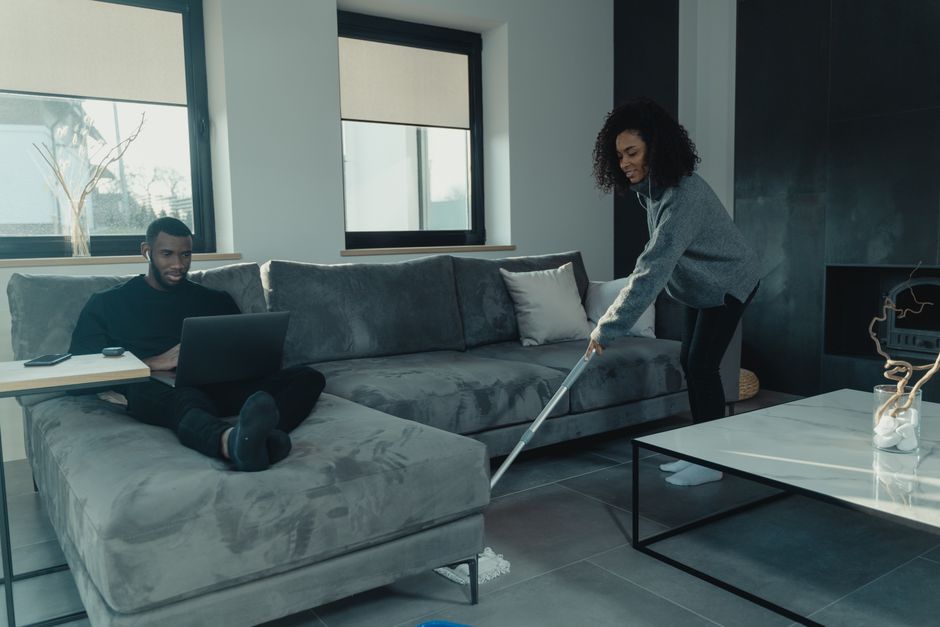
Common Problems During Highbury Sofa Cleaning Jobs
Posted on 08/07/2026
If you have ever booked sofa cleaning and thought, "How hard can it be?", the answer is: trickier than it looks. Common Problems During Highbury Sofa Cleaning Jobs often show up in small ways at first - a faint watermark, a patch that dries darker than the rest, a smell that lingers, or a fabric that suddenly feels a bit rough. In Highbury, where homes range from compact flats to family houses and furnished rentals, those little issues can turn into bigger headaches if the cleaning method is not matched to the sofa.
This guide breaks down the most frequent problems, why they happen, how professionals usually deal with them, and what you can do to avoid a disappointing result. It is practical, local, and built around the kind of real-world situations people actually face. If you are comparing options, you may also find it useful to look at upholstery cleaning in Highbury and the wider services overview for context on how sofa care fits into a bigger cleaning plan.

Why Common Problems During Highbury Sofa Cleaning Jobs Matters
Sofas are one of those items that quietly absorb everything: body oils, drink spills, pet hair, dust, snack crumbs, and the odd mystery mark that appears from nowhere. In a busy household, especially in a place like Highbury where people often want a neat, comfortable living room without the faff, sofa cleaning is not just cosmetic. It affects hygiene, fabric life, indoor smell, and how the room feels day to day.
The problem is that sofa cleaning is rarely as simple as spray, scrub, done. Many upholstery fabrics react differently to water, heat, agitation, and solvents. If a cleaner treats a delicate weave the same way they would a synthetic blend, the result can be streaking or pile distortion. That is why understanding the common problems matters before a machine ever touches the fabric.
It also matters because the cost of getting it wrong is often higher than the cost of doing it carefully. A bad clean can leave a sofa looking worse than before, and in some cases it may reduce the life of the fabric. That is especially frustrating if the sofa is new-ish, rented, or part of a furnished property. Truth be told, the room can look spotless and still feel off if the upholstery has gone patchy or carries a damp smell.
For landlords, tenants, and busy homeowners, sofa cleaning is also tied to presentation. A living room can be almost finished, then the sofa lets the whole place down. If you are already thinking about broader property care in the area, the local posts on a Highbury Barn flat cleaning checklist and booking delays for end of tenancy cleaning are useful background reading. Different job, same lesson: planning matters more than people expect.
How Common Problems During Highbury Sofa Cleaning Jobs Works
To understand the problems, it helps to understand the normal workflow. Sofa cleaning usually starts with inspection. A good cleaner identifies the fabric type, checks for wear, looks for colour transfer risks, and tests a small hidden area. That sounds basic, but this is where many issues are prevented. Skip this stage, and you are already in the danger zone.
After inspection comes pre-treatment. Stains may need a targeted solution rather than a full soak. Next is the main cleaning method: hot water extraction, low-moisture cleaning, dry solvent cleaning, or sometimes foam and agitation depending on the fabric. Then there is rinsing or residue removal, grooming, and drying. Each stage has its own failure points.
Here is the big thing: most problems are not caused by one dramatic mistake. They are usually the result of a chain of little ones. A cleaner uses slightly too much solution, the room is cool and poorly ventilated, the sofa dries slowly, and suddenly a water ring appears. Or a stain looks gone while the fabric underneath still holds residue, so it returns later like it was never leaving. Annoying, yes. Common, also yes.
In Highbury homes, access can matter too. Narrow hallways, upper-floor flats, limited parking, and tight staircases can mean equipment has to be smaller and set-up time is longer. When a job is rushed because of access pressure, mistakes tend to increase. That is one reason some people pair sofa cleaning with one-off cleaning in Highbury or a more structured deep cleaning service, so the whole home is handled in one sensible visit rather than in a scramble.
Key Benefits and Practical Advantages
When sofa cleaning goes well, the benefits are very obvious. The room smells fresher, stains are reduced, dust and allergens are lifted, and the sofa feels softer and more welcoming. But the less obvious benefit is confidence. You can sit down without eyeing every cushion like a detective. Lovely, really.
- Better fabric appearance: Correct cleaning can restore colour balance and reduce dullness.
- Longer upholstery life: Removing grime early helps reduce wear on fibres.
- Less lingering odour: Food, pet, and damp smells are often trapped in the weave.
- Improved hygiene: Sofas collect fine dust and skin debris, especially in busy living rooms.
- Better rental presentation: Important for landlords, tenants, and sellers preparing a property.
- Reduced repeat cleaning: Good technique means stains are less likely to reappear.
There is also a practical money angle. A careful clean that preserves a sofa is usually better value than a cheap job that causes colour loss or texture damage. If budget is part of your decision, the pricing and quotes page is a sensible place to understand how cleaning services are typically framed, and if you want to discuss something specific, you can always use the quote request form.
Who This Is For and When It Makes Sense
This topic is relevant to a fairly wide group of people, and not just homeowners with a suspicious red wine mark from Saturday night. You may need to understand these problems if you are:
- a tenant preparing for an inspection or move-out clean
- a landlord getting a furnished property ready for new occupants
- a homeowner trying to refresh a tired living room
- a parent dealing with food, juice, or marker stains
- a pet owner fighting hair, odours, and the occasional muddy paw print
- a cleaner or facilities manager responsible for upholstery maintenance
It makes sense to pay attention when the sofa is made from mixed materials, when stains are old, or when the fabric label is unclear. It also matters more in older flats or homes where ventilation is limited. In a place like Highbury, where some properties have compact rooms and tricky access, a "quick clean" can become a bad idea very fast if the fabric needs special treatment.
If you are in the middle of a wider property move or plan to freshen up the whole place, some of the local reading on buying property in Highbury and navigating the Highbury real estate market may not be about cleaning directly, but it helps frame why presentation and upkeep matter so much in the area.
Step-by-Step Guidance
Here is a realistic way to approach sofa cleaning problems without making things worse.
- Inspect the sofa properly. Check the fabric type, colourfastness, seams, arm rests, and any pre-existing damage. Look for sun fade, worn patches, and previous DIY stain attempts.
- Identify the cleaning method. Not every sofa wants water. Some fabrics do better with low-moisture methods or solvent-based spot treatment.
- Test in a hidden area. This should be non-negotiable. A tiny test patch can save a very expensive mistake.
- Pre-treat stubborn spots carefully. Use the mildest effective product first. Over-treating stains can leave rings or spread them further.
- Clean in sections. Working one area at a time helps control drying and prevents missed patches.
- Limit moisture. Too much liquid is one of the biggest causes of water marks, shrinkage risk, and slow drying.
- Extract or remove residues thoroughly. Detergent left behind attracts dirt and can make the fabric feel sticky.
- Groom and dry. Finish by restoring the pile and improving airflow. Open windows if weather allows, use fans if appropriate, and avoid sitting on the sofa too early.
That last point sounds obvious, but people do it all the time. I mean, we have all had that "it's probably dry enough" moment. Usually it is not.
What problems should you watch for at each step?
The first-stage problems are often identification issues. Mid-job problems tend to be over-wetting and stain spreading. Finish-stage problems usually involve drying, odour, and residue. If a cleaner cannot explain how they will handle each one, that is a warning sign. Not panic-level, just a signal to ask better questions.
Expert Tips for Better Results
Most of the difference between a decent sofa clean and a genuinely good one comes down to restraint. The best cleaners are not the ones who use the most solution. They are the ones who know when to stop, when to test, and when to change approach.
- Start dry where possible. Vacuuming and dry soil removal should happen before any liquid treatment.
- Use separate tools for different jobs. A brush or cloth used on one stain should not be dragged everywhere else.
- Work with the fabric, not against it. Velvet, chenille, linen blends, and synthetics all behave differently.
- Ventilation is part of the clean. In real homes, not just ideal ones, airflow changes the result.
- Keep a light hand with detergents. More product does not mean more cleaning power. Sometimes it means more residue.
- Check seams and piping first. That is where moisture tends to collect and where damage shows up quickly.
A practical tip from real jobs: if a sofa smells a bit musty before cleaning, the smell often gets worse for a few hours if the fabric has been damp for too long. That does not always mean the job has failed. It may simply mean the drying stage needs more time. A bit of patience helps. A lot, actually.
If you are choosing between service types, reading about carpet cleaning in Highbury alongside upholstery cleaning can help you see why different fabrics and fibres need different handling. It sounds obvious on paper, but people often blur the two.
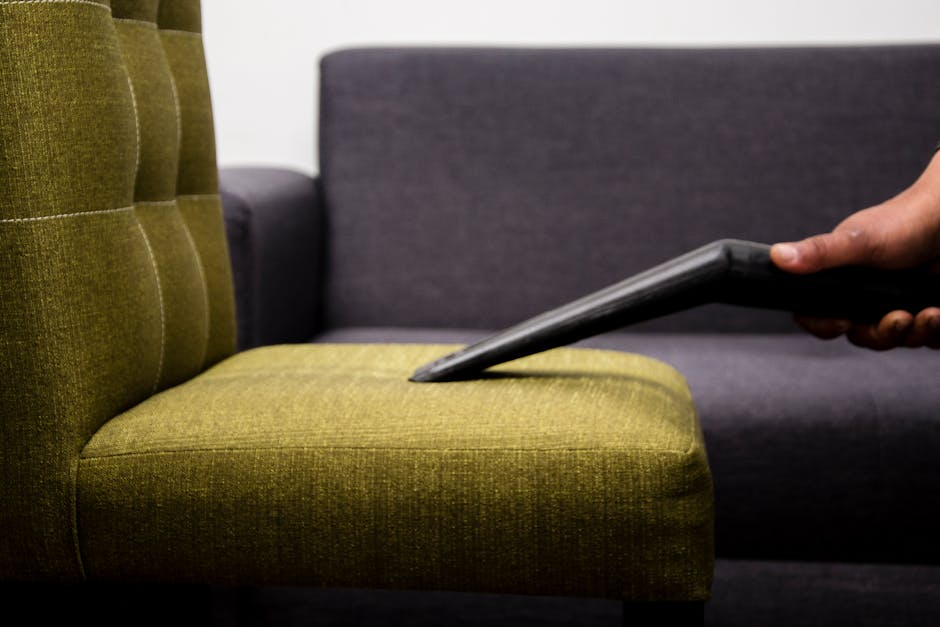
Common Mistakes to Avoid
This is where many sofa cleaning jobs go sideways. Some mistakes are small and fixable; others are the kind that make you stare at the sofa from across the room and sigh.
- Skipping the fabric check: This is probably the number-one cause of avoidable damage.
- Using too much water: Leads to slow drying, rings, backing damage, and sometimes shrinkage.
- Rubbing stains aggressively: That can push the stain deeper or fuzz the fabric surface.
- Applying the wrong cleaner: Different stains need different chemistry. One-size-fits-all is a bit of a myth.
- Ignoring old contamination: Spot cleaning one mark without treating the surrounding soil can make the patch stand out more.
- Not allowing enough drying time: Sitting on the sofa too soon can flatten fibres and leave body impressions.
- Forgetting hidden areas: The back cushions, underside, and arm seams often hold more dirt than the visible front.
Another easy mistake is booking a clean at the wrong time. If you are moving house, entertaining, or prepping a rental changeover, delays can throw everything off. The local note on booking delays for end of tenancy cleaning is a good reminder that timing matters almost as much as technique.
Tools, Resources and Recommendations
You do not need a van full of specialist gear to understand sofa cleaning problems, but the right tools make a huge difference.
| Tool or resource | Why it helps | Common issue it reduces |
|---|---|---|
| Upholstery vacuum with brush attachment | Lifts dry soil before moisture is added | Grime smear and muddy residue |
| White microfibre cloths | Helps spot colour transfer and keeps testing clean | Dye bleeding surprises |
| Fabric test kit or hidden patch test | Checks reaction before full cleaning begins | Discolouration and texture damage |
| Controlled spray bottle | Lets you apply small amounts evenly | Over-wetting |
| Air mover or fan | Speeds drying when used sensibly | Lingering damp smell |
| Professional upholstery cleaner | Supports accurate method matching | Wrong product choice |
For readers who want a broader sense of how a cleaning business organises work, the pages on about us, health and safety policy, and insurance and safety can be reassuring. They are not about sofa chemistry, obviously, but they do show the sort of operational care you should expect from a professional team.
And yes, if a cleaner turns up with a single bottle and the confidence of a reality show contestant, you may want to ask a few more questions.
Law, Compliance, Standards, or Best Practice
For sofa cleaning jobs in the UK, the main point is not to turn this into legal theatre. It is more about sensible duty of care, product safety, and honest service expectations. A professional cleaner should know how to use chemicals safely, assess risks, and avoid damage through carelessness. That includes following the product instructions, using PPE where needed, and treating the customer's property with respect.
In practical terms, good practice usually means:
- testing fabrics before applying any cleaning solution broadly
- explaining likely limitations, such as pre-existing staining or water sensitivity
- avoiding unsupported promises about full stain removal
- working in a way that minimises slip risks, chemical residue, and excess moisture
- being clear about aftercare and drying times
If you are hiring a company, it is also fair to expect transparent terms, payment clarity, and a route for raising concerns. Those basics are covered in pages like terms and conditions, payment and security, privacy policy, and complaints procedure. None of that is glamorous, but it matters when something goes wrong or a job needs follow-up.
For a service area like Highbury, where many homes are lived-in, compact, and busy, best practice is mostly about honest communication and measured technique. That is not a flashy answer. It is the right one, though.
Options, Methods, or Comparison Table
Different sofas need different approaches. The table below compares common methods in plain English.
| Method | Best for | Main risk | Typical advantage |
|---|---|---|---|
| Hot water extraction | Many synthetic upholstery fabrics | Too much moisture if used carelessly | Deep soil removal and fresh finish |
| Low-moisture cleaning | Delicate or quicker-dry situations | May not shift heavy embedded grime | Reduced drying time |
| Solvent-based cleaning | Some sensitive fabrics and targeted stains | Requires accurate product matching | Good for certain stain types without soaking |
| Foam cleaning | Light refresh work on compatible fabrics | Residue if not removed properly | Gentler surface treatment |
| Spot treatment only | Single isolated marks | Can leave visible patching if not blended | Useful for small, localised issues |
Which method is "best"? That depends. A lightly soiled synthetic sofa in a busy family room may do well with hot water extraction, while a textured or delicate fabric might need a far lighter touch. If you are unsure, that is normal. The better question is not "What method do you use?" but "Why is that method right for this fabric and this stain?"
Case Study or Real-World Example
Here is a realistic Highbury-style scenario. A renter in a top-floor flat near a busy street books sofa cleaning after noticing dark marks on both armrests and a faint sour smell. The sofa is a pale fabric, five years old, with a small drink stain from months ago and a few greasy patches from everyday use. Nothing dramatic. Just enough to be annoying.
On inspection, the cleaner spots a couple of things: the fabric has a slight pile direction, one armrest is more worn than the other, and the stain on the left side has already been scrubbed at home. That last detail matters. DIY rubbing has made the area rougher and slightly wider. Very common, by the way.
The cleaner tests a hidden area, chooses a low-moisture approach for the main clean, and uses very targeted spot treatment for the old stain. The smell improves, but the cleaner also explains that the old patch may not disappear entirely because the earlier rubbing altered the fabric texture. After drying, the sofa looks noticeably better, but not brand new. That is the honest result most people should expect from an older, lived-in piece.
The real success here was not miracle stain removal. It was avoiding extra damage, improving the finish, and making the sofa comfortable to live with again. That's the win.
Practical Checklist
Use this checklist before, during, or after a sofa cleaning job.
- Check the fabric label or any manufacturer guidance if available.
- Look for existing wear, fading, and loose stitching before cleaning starts.
- Test any product in a hidden area first.
- Confirm whether the cleaning method involves moisture, solvent, or both.
- Move cushions and small items off the sofa.
- Vacuum the sofa thoroughly before applying liquids.
- Ask how long drying is likely to take.
- Keep pets and children away while the fabric dries.
- Do not sit on the sofa too early, however tempting it is.
- Check seams, piping, and under-cushion areas once the job is done.
- Raise any concerns promptly if marks remain or new issues appear.
If you are planning more than just a sofa refresh, a wider clean can make sense. Some households combine upholstery care with domestic cleaning in Highbury or house cleaning so that the room, not just the sofa, feels properly reset. That usually gives a better overall result.
Conclusion
Most of the common problems during Highbury sofa cleaning jobs come down to one thing: the wrong approach for the fabric or the situation. Over-wetting, poor stain testing, rushed drying, and aggressive scrubbing are still the big culprits. But the good news is that nearly all of these issues are preventable with careful inspection, the right method, and a bit of patience.
If you remember only one thing, make it this: sofa cleaning works best when it is tailored, not rushed. A thoughtful clean will usually outperform a forceful one, and it will protect the upholstery you already own. That matters whether the sofa is in a family living room, a rented flat, or a smart reception room that just needs to look presentable again.
For a local approach that fits your home, your fabric, and your timeline, take a look at the available service information, then decide what level of cleaning makes sense for you. Sometimes a small refresh is enough. Sometimes a deeper treatment is the smarter move. Either way, you should be able to get a result that feels calm, clean, and a bit less stressful. And honestly, that is the whole point.
Get a free quote today and see how much you can save.
If you would like to speak with a local team, use the contact page and ask about the best method for your sofa type and stain concerns.