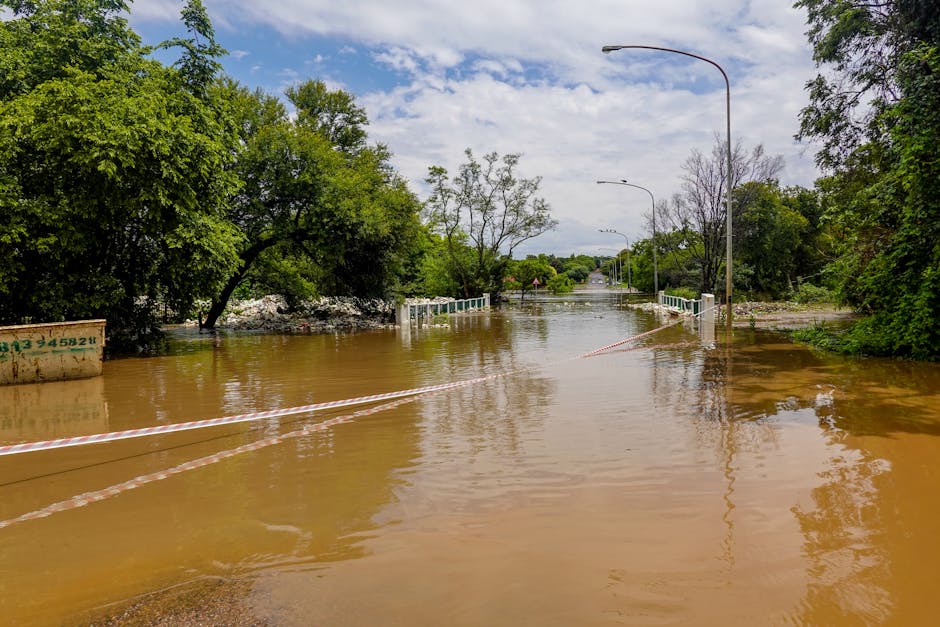
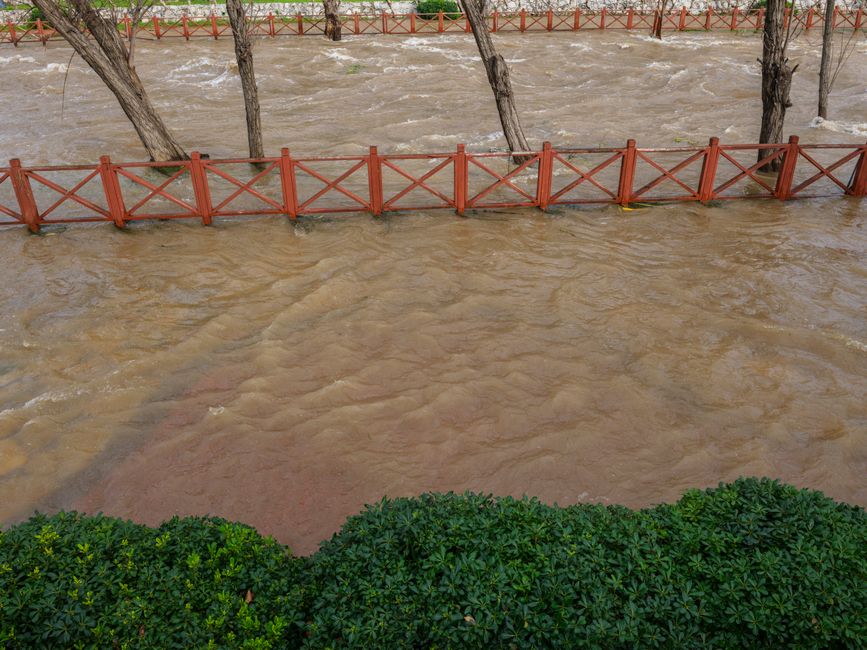
Urgent Flood Cleanup in Highbury: How Fast Are Cleaners?
If you have standing water, damp carpets, a strange smell in the hallway, or a ceiling stain that has just started to spread, you are probably asking the same thing everyone asks in a hurry: how fast can cleaners get here, and how quickly can the flood damage be dealt with? In Highbury, speed matters because water does not sit still. It keeps moving into floors, skirting boards, furniture, and hidden spaces behind walls. And once that happens, the job becomes bigger, messier, and more expensive.
This guide explains Urgent Flood Cleanup in Highbury, how fast cleaners usually respond, what affects arrival time, what a proper emergency clean-up should include, and what you can do right now while you wait. We will keep it practical. No fluff, no fake certainty. Just the kind of advice that helps when your home or business is already under pressure.
You will also find a checklist, a comparison table, real-world guidance, and a straightforward FAQ section for the questions people ask most often when water damage has already started to spread.
Table of Contents
- Why Urgent Flood Cleanup in Highbury How Fast Are Cleaners Matters
- How Urgent Flood Cleanup in Highbury How Fast Are Cleaners Works
- Key Benefits and Practical Advantages
- Who This Is For and When It Makes Sense
- Step-by-Step Guidance
- Expert Tips for Better Results
- Common Mistakes to Avoid
- Tools, Resources and Recommendations
- Law, Compliance, Standards, or Best Practice
- Options, Methods, or Comparison Table
- Case Study or Real-World Example
- Practical Checklist
- Conclusion
- Frequently Asked Questions
Why Urgent Flood Cleanup in Highbury How Fast Are Cleaners Matters
Floodwater is not just "water where it should not be". It can carry dirt, sewage residue, food waste, bacteria, and all sorts of unpleasant debris depending on the cause. Even if the water looks clean at first glance, it may still soak into materials quickly and start causing trouble within hours. That is why urgent flood cleanup is less about tidying up and more about damage control.
In a Highbury property, timing becomes even more important because many homes and commercial spaces have older construction features, mixed flooring, narrow corridors, and furniture squeezed into compact rooms. Water loves those tight spaces. It creeps under laminate, saturates underlay, and hides in corners where you might not notice it until the smell hits later.
So, how fast are cleaners? In an emergency, the answer depends on access, location, and demand, but a good local team should be able to give you a realistic response window rather than a vague promise. If they are already nearby, arrival may be quite quick. If traffic, weather, or multiple callouts are involved, it may take longer. Honest expectations matter here. To be fair, anyone promising miracle-speed without asking questions should make you cautious.
The other reason speed matters is secondary damage. The longer moisture stays in place, the more likely you are to face warped wood, stained plaster, mould growth, damaged plasterboard, and odours that do not budge easily. A prompt response can often reduce the scale of the work even if it does not eliminate every repair. That is a big difference when you are dealing with stress, disruption, and a home that suddenly feels a bit unrecognisable.
Expert summary: urgent flood cleanup is most effective when the first response is fast, the cause is identified clearly, and drying begins before water has time to settle into hidden materials. Speed helps, but smart speed helps more.
How Urgent Flood Cleanup in Highbury How Fast Are Cleaners Works
Emergency flood cleanup usually follows a simple but careful sequence. The steps may vary depending on the source of the water, the type of property, and how much has been affected, but the overall process is fairly consistent.
1. Initial call and rapid triage
The first conversation should establish what happened, where the flooding is, whether the water is still coming in, and whether electricity, gas, or drainage issues are involved. This is not just admin. It helps the cleaner judge urgency and send the right equipment. If the water is actively rising, that should be flagged immediately.
2. Arrival and site assessment
Once on site, the team should assess visible water, soak depth, affected materials, and likely hidden damage. A hallway that looks manageable may be holding moisture beneath the flooring. A small spill can turn into a bigger repair if the underlay is saturated. You do not always see the full problem at first. That is the annoying part.
3. Extraction and water removal
Standing water is removed using wet vacs, pumps, or other extraction tools where appropriate. The aim is to get bulk water out fast before it continues spreading. This stage often feels dramatic because the room starts changing quickly once the water is removed. The air may still feel heavy, though, because damp materials can continue releasing moisture for some time.
4. Cleaning, sanitising, and deodorising
Depending on the source of flooding, surfaces may need cleaning and safe sanitising. This is especially important after contaminated water exposure. Soft furnishings, floors, and hard surfaces all need different treatment. A decent cleaner should explain what can be saved, what needs specialist attention, and what may need to be isolated.
5. Drying and moisture control
This is where the long game begins. Fans, air movers, dehumidifiers, and monitoring checks are often used to reduce moisture in the property. Drying is not glamorous, but it is crucial. If someone just removes the visible water and leaves, the job is only half done. Maybe less than half, truth be told.
6. Reporting and next-step advice
A professional clean-up should end with clear guidance on what to monitor, what needs repair, and whether any specialist restoration or insurance-related documentation is likely to be needed. That clarity can really help when everything else feels a bit scrambled.
If you also need broader property care after the incident, services such as deep cleaning or house cleaning may become relevant once the emergency stage is over and the property is safe to re-enter properly.
Key Benefits and Practical Advantages
Fast flood cleanup is not just about speed for speed's sake. There are practical reasons it makes a real difference.
- Less structural damage: the sooner water is removed, the less chance it has to seep into walls, floors, and joinery.
- Lower mould risk: damp left unchecked creates the sort of environment mould absolutely loves. Not ideal, obviously.
- Better chance of saving belongings: furniture, rugs, carpets, and upholstery often stand a better chance when treated promptly.
- Less disruption: early cleanup can shorten drying time and reduce how long rooms are out of action.
- Improved hygiene: rapid cleaning can reduce contamination and unpleasant odours.
- Clearer insurance conversations: early action and documentation can help show that the damage was handled responsibly.
There is also a psychological benefit that people underestimate. A flooded room feels chaotic. Once the water is extracted and the clean-up plan is in motion, the situation feels more manageable. Small progress, but meaningful. You can breathe a bit easier.
If the flood has affected soft furnishings, rugs, or carpets, then the right follow-up service matters too. For example, carpet cleaning or upholstery cleaning may be part of the recovery plan if the materials are salvageable.
Who This Is For and When It Makes Sense
Urgent flood cleanup makes sense for anyone dealing with water intrusion that cannot wait until tomorrow. That includes homeowners, tenants, landlords, shop owners, office managers, and building caretakers.
Here are common situations where speed becomes especially important:
- burst pipe incidents
- washing machine or appliance leaks
- overflowing sinks or baths
- heavy rainfall entering through weak points
- basement or lower-ground water ingress
- toilet or drainage-related overflow
- commercial premises with soaked stock, flooring, or work areas
If you are renting, the practical pressure can be even higher. You may need to protect your deposit position, keep the landlord informed, and avoid worsening the damage while waiting for help. If you manage a business, the focus may be on reopening fast and reducing downtime. Different priorities, same problem.
It also makes sense if you are not sure the issue is "bad enough" yet. That uncertainty is common. People look at a wet patch and think, maybe it will sort itself out. Usually it does not. Water in hidden voids can be the part that causes the later headache.
Step-by-Step Guidance
Here is a simple sequence to follow if you are dealing with a flood in Highbury and need a cleaner quickly.
- Stay safe first. If there is electrical risk, contaminated water, or a ceiling that looks unstable, keep clear and do not wade in.
- Stop the source if you can do so safely. Turn off water supply if appropriate and if you know where the stopcock is.
- Move valuables and light furniture. Lift items away from the water where possible. Even a few centimetres can help.
- Take a few photos. Before moving too much, capture the condition for your records. Keep it simple, no need to stage a photo shoot in the hallway.
- Call for urgent flood cleanup. Be clear about the location, access, type of water, and how much is affected.
- Ask about likely arrival time. A realistic estimate is better than an overconfident promise.
- Ventilate if it is safe. Open windows where practical, but do not create hazards or spread contamination.
- Use towels or buckets only as a short-term measure. These help, but they are not the main solution.
- Follow drying instructions carefully. If dehumidifiers or fans are used, let them run as advised.
- Track what changes. New odours, swelling boards, or staining should be reported quickly.
A useful question to ask is: is this just surface water, or is the damage deeper than it looks? That one question can change the whole response plan.
Expert Tips for Better Results
From a practical point of view, the best flood cleanup outcomes usually come from a mix of fast action and good judgement. Here are a few things that make a real difference.
1. Don't wait for obvious mould. By the time you can see mould, the moisture problem has usually been there for longer than you wanted. Damp smell, cool patches, and warped edges are early warning signs.
2. Treat carpet and underlay as separate problems. A carpet may look fine while the underlay underneath is holding water like a sponge. That is where some jobs go sideways. If the underlay is soaked, drying time gets longer.
3. Prioritise hidden spaces. Under cupboards, behind sofas, inside built-in units, and along skirting boards are common trouble spots. A quick glance is not enough.
4. Ask for clear communication. You want to know what is happening, what has been cleaned, what remains wet, and when the next check is due. Good communication is part of the service.
5. Keep a small record of timings. When the flooding started, when help was called, when work began, and what was damaged. It sounds tedious in the moment, but later it can be very useful.
6. Be cautious with DIY drying shortcuts. Household heaters can help a little, but they are not a substitute for controlled drying. In some cases, they can even make conditions less stable if used badly.
If the flooding has left a damp smell in soft furnishings, you may later need support such as sofa cleaning, rug cleaning, or mattress cleaning depending on what was affected and how badly.
Common Mistakes to Avoid
Flood recovery can go wrong in surprisingly ordinary ways. A lot of problems come from acting too late, or acting quickly but in the wrong way. Happens all the time.
- Ignoring the source: cleaning the floor without stopping the leak means you are tidying while the problem continues.
- Using too much force: scrubbing wet materials aggressively can push contamination deeper or damage delicate finishes.
- Assuming "dry to touch" means dry: surfaces can feel fine while moisture is still trapped underneath.
- Leaving furniture in place: heavy items can trap moisture and stain flooring.
- Switching on electrics too early: this is a genuine safety risk, so do not rush it.
- Throwing away items too fast: some belongings can be saved if treated promptly and correctly.
- Choosing the cheapest option without asking what is included: a low price is no bargain if drying or sanitising is missing.
There is a quieter mistake too: not asking enough questions. If something is not clear, ask. What will be dried? How long is it expected to take? Will materials need to be lifted? Straight answers help you make better decisions.
Tools, Resources and Recommendations
Good flood cleanup relies on the right tools, but also on knowing how and when to use them. A professional response may involve:
- wet vacs or extraction equipment
- air movers for circulation
- dehumidifiers for moisture reduction
- moisture meters for checking hidden dampness
- protective gloves and suitable cleaning materials
- sanitising agents appropriate to the surface and contamination level
For homeowners and tenants, the practical resources are simpler: torchlight, phone camera, towels, buckets, and a clear list of who to contact. Keep the area safe and documented. That is often enough until help arrives.
If the incident has left behind a broader mess beyond the water itself, a service like one-off cleaning can be useful once the urgent extraction and drying stage is complete. For larger property recovery, you might also look at end of tenancy cleaning if the issue affects a rental handover, or commercial cleaning if the space is business-use and needs a more structured reset.
One small but important recommendation: choose a cleaner who explains the process in plain English. If they speak only in vague jargon, that is not a great sign. You want clarity, not fog.
Law, Compliance, Standards, or Best Practice
Flood cleanup sits in a practical space where safety, duty of care, and common-sense best practice all matter. In the UK, the exact responsibilities can vary depending on whether the property is owner-occupied, rented, or commercial. That means you should be careful about assuming one rule fits every case.
For example, landlords and business owners may have additional obligations around safety, access, and prompt repair. In shared buildings, management or freeholder arrangements may affect who arranges the response. And if contaminated water is involved, handling and disposal need to be approached carefully to reduce health risks.
Good best practice usually includes:
- keeping people away from unsafe areas until assessed
- isolating electrical risks where necessary
- using suitable protective equipment
- recording damage before major moves or disposal
- separating clean water incidents from contaminated water incidents
- drying and monitoring rather than assuming the work is done after surface cleaning
If you need assurance around business processes, safety, or payment handling, it is sensible to review the company's health and safety policy, insurance and safety information, and payment and security details. Those pages do not solve the flood itself, of course, but they help build trust when you are making a decision under pressure.
It is also worth checking a company's general terms if you want to understand scope, limitations, and what happens if the job changes mid-way. Flood jobs often do. That is just the nature of the beast.
Options, Methods, or Comparison Table
Not every flood cleanup approach is the same. The right method depends on how much water there is, what caused it, and how long it has been there. Here is a simple comparison to help you think it through.
| Method | Best for | Strengths | Limitations |
|---|---|---|---|
| Basic water removal | Small, contained spills and minor leaks | Quick, affordable, useful as a first response | May not deal with hidden damp or contamination |
| Urgent flood cleanup | Active flooding, soaked floors, urgent domestic or commercial damage | Fast extraction, drying support, clearer risk control | May still require follow-up repairs or restoration |
| Deep cleaning after drying | Residue, odours, and post-flood hygiene recovery | Helps restore the property once moisture is under control | Should not replace emergency extraction and drying |
| Specialist soft furnishing treatment | Carpets, rugs, sofas, curtains, mattresses | Can save items that look beyond hope at first | Not all materials are salvageable after severe contamination |
If the flooding happened during a renovation or after messy works, a follow-up service such as after builders cleaning can sometimes help restore the space once the water issue is under control. For properties with hard surfaces, hard floor cleaning may also be part of the recovery plan if staining or residue remains.
Case Study or Real-World Example
A typical Highbury scenario might look like this. A tenant comes home on a rainy evening and notices water near the skirting board in a hallway. At first it seems minor. A towel helps a bit, but within half an hour the patch is wider and the carpet feels colder and heavier underfoot. There is a faint musty smell near the cupboard door.
They call for urgent help and explain that the flat is on a lower floor and the water may be entering from above or through the wall. The cleaner gives a realistic arrival window, asks a few sharp questions, and advises the tenant not to switch on nearby sockets or move heavy furniture unsafely. Once there, the team finds the visible water is only part of the issue. Moisture has moved under the carpet edge and into a corner by the cabinet.
Extraction starts first. Then drying. Then a check of the moisture levels around the affected area. The immediate result is not magic, but it is much better than leaving the room to "air out" and hoping for the best. The tenant can keep living there with less disruption, and the landlord gets a clearer idea of what needs follow-up.
The small lesson here? Fast response is helpful, but clear communication and proper drying are what turn a rushed response into a useful one.
Practical Checklist
Use this quick checklist if you are handling urgent flood cleanup in Highbury and need to stay focused.
- Check safety first: electricity, slipping hazards, ceiling damage, contamination
- Stop the water source if it is safe and possible
- Move valuables and light furniture out of the wet area
- Take photos before major changes
- Call an urgent cleaner and explain the situation clearly
- Ask for estimated arrival time and what equipment they will bring
- Keep windows open only if safe and practical
- Do not use power near standing water
- Keep children and pets away from affected rooms
- Ask what can be saved, cleaned, dried, or needs specialist attention
- Track smell, swelling, staining, or new damp patches over the next 24 to 48 hours
- Follow any drying instructions exactly
If you are comparing services, it can also help to review pricing and quotes before making a decision, especially if you want to understand what is included and whether extra drying or follow-up work may change the total. And if you need to know more about the business behind the service, the about us page is often a good place to start.
Conclusion
So, how fast are cleaners for urgent flood cleanup in Highbury? Fast enough to make a real difference, if you call early, explain the problem clearly, and choose a team that understands both the visible mess and the hidden moisture behind it. That is the real answer. Speed matters, but so does competence. The best outcome usually comes from both together.
If you are dealing with flood damage now, keep the focus simple: stay safe, stop the source if you can, document the damage, and get help in quickly. The sooner the water is removed and the drying begins, the better your chances of limiting long-term damage and getting life back to normal.
Get a free quote today and see how much you can save.
And if the room still feels a bit off even after the visible water is gone, trust that feeling. It is often the first clue that a proper follow-up check is still needed. A steady, careful clean-up now can save a lot of hassle later, and that is worth doing right.
Frequently Asked Questions
How fast can urgent flood cleaners usually arrive in Highbury?
Response times vary depending on demand, traffic, and the size of the job, but urgent teams should give you a realistic window rather than a guess. If the flood is active or affecting multiple rooms, they may prioritise it differently.
What should I do first before the cleaners arrive?
Make the area safe, stop the source if possible, move valuables, and avoid electricity near standing water. If it is safe, take photos for records before changing too much.
Can flood damage be cleaned the same day?
Often, yes for the initial extraction and first-stage cleaning. But full drying can take longer, especially if water has soaked into flooring, furniture, or hidden spaces.
Is floodwater always a health risk?
Not always to the same degree, but it should be treated carefully. Even relatively clean water can become a problem once it has sat around and absorbed dirt from surfaces or materials.
Will cleaners remove the smell too?
They can help a lot, especially if the source is handled quickly and drying is thorough. Persistent smells usually mean moisture or residue is still present somewhere.
How do I know if carpet can be saved?
It depends on how much water it took on, how long it stayed wet, and what the water source was. A cleaner or restoration specialist should inspect both the carpet and the underlay before deciding.
Do I need to leave the property during cleanup?
Sometimes only part of the property needs to be vacated, but this depends on safety, contamination, and how much equipment is used. If there is serious flooding or electrical risk, it may be safer to stay out until assessed.
Can urgent flood cleanup help with insurance claims?
Yes, clear photos, timing notes, and professional reporting can support the claim process. Keep records of what happened, what was damaged, and what work was carried out.
What is the difference between flood cleanup and deep cleaning?
Flood cleanup focuses on extracting water, sanitising, and drying affected areas. Deep cleaning is usually a broader refresh after the immediate risk has been managed.
How much does urgent flood cleanup cost?
Costs vary a lot based on the amount of water, the materials affected, the time needed, and any follow-up drying. The most reliable approach is to ask for a clear quote that explains what is included.
Should I keep using fans or heaters while waiting?
Only if it is safe and you have been advised to do so. Poorly placed heaters or fans can sometimes make things less stable, so it is better to follow professional guidance.
What if the flood happened in a business or office?
Then the priorities are often safety, continuity, and reducing downtime. A commercial property may need a different approach, especially if stock, records, or shared areas are affected.
If you are still unsure what level of help you need, do not worry. Flood situations are messy and rarely neat the first time around. Ask the questions, get the facts, and let the right team take it from there.