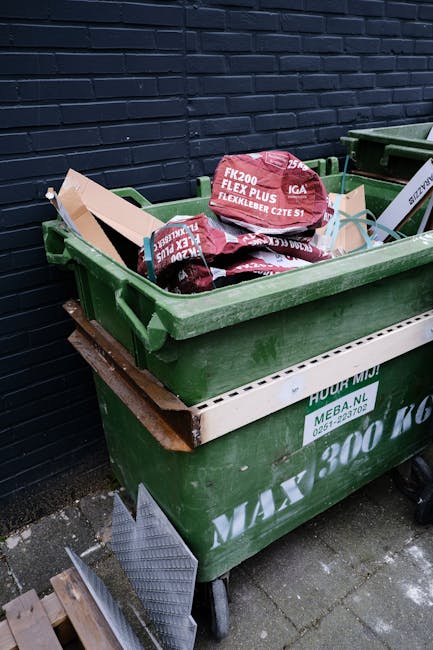
Skip Permit and Disposal Guide for Highbury Cleaning Projects
Posted on 18/08/2026
If you are planning a clear-out, renovation clean, tenancy refresh, or a big one-off tidy-up in Highbury, the messy part is not always the dust. Often, it is the waste. Getting the skip permit right, and handling disposal properly, can save time, money, and a lot of awkward back-and-forth on the day. This Skip Permit and Disposal Guide for Highbury Cleaning Projects is here to make the process feel manageable, whether you are clearing a flat near Highbury Barn or tackling a larger domestic clean after years of built-up clutter.
In practice, good waste planning is one of those things people only think about when it goes wrong. A skip blocks the pavement, a cleaner arrives and nowhere to put bagged rubbish, the landlord wants everything gone by 4pm, and suddenly the whole job feels tighter than it should. Let's make it simpler. Below, you will find a clear explanation of skip permits, disposal options, best practice, common mistakes, and the practical steps that keep Highbury cleaning projects moving without drama.
Why Skip Permit and Disposal Guide for Highbury Cleaning Projects Matters
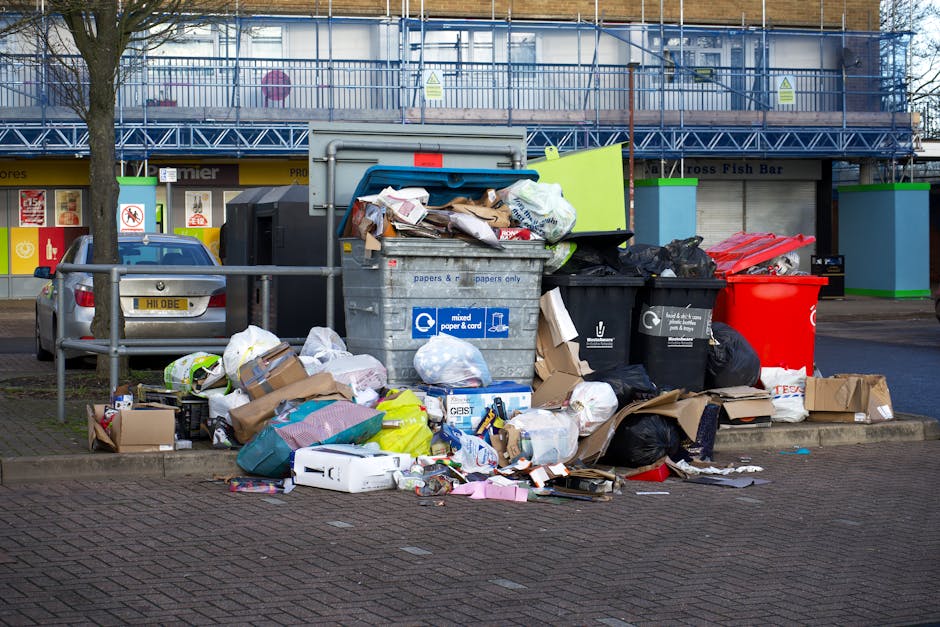
Highbury has a mix of compact flats, period homes, shared buildings, and busy streets where access can be a bit of a puzzle. That matters because cleaning projects rarely involve just cleaning. They often produce waste: broken shelving, old bedding, packaging, carpet offcuts, bagged clutter, food waste, end-of-tenancy rubbish, or bulky items that no normal bin collection will touch. Without a proper disposal plan, even a very good clean can stall.
Skip permits matter because a skip placed on a public road or pavement normally needs permission. If you skip that step, the risks are obvious: delays, fines, complaints from neighbours, and a project that looks less organised than it should. On narrow residential streets, or where parking is already tight, a poorly placed skip can also create access headaches for cleaners, movers, and residents. You will notice quickly that a clean property is only half the job; the waste has to leave too.
There is also a trust angle. Whether you are a landlord, tenant, homeowner, or property manager, clear waste handling shows you are taking the job seriously. It reassures everyone involved, especially during end-of-tenancy cleaning or deep cleaning work where the standard is higher and the timetable is usually unforgiving. In a local area like Highbury, where people live close together and space is at a premium, that sort of respect counts.
Expert summary: If your cleaning project will create more waste than normal household bins can handle, plan disposal before the first bag is filled. That one decision usually prevents the biggest delays.
How Skip Permit and Disposal Guide for Highbury Cleaning Projects Works
Think of the process in three parts: assess the waste, choose the disposal method, and confirm the permission or collection route. That sounds simple, but the detail matters.
1. Assess what will actually be thrown away
Start with the type and volume of waste. A standard domestic tidy-up may only create a handful of sacks. A full spring clean, post-tenancy clear-out, or renovation-style clean might produce mixed waste, soft furnishings, and bulky items. The sort of waste matters because different disposal routes suit different materials.
For example, clean cardboard and packaging are very different from plasterboard, paint tins, or old furniture. Mixed waste can be more expensive to remove and may need stricter handling. If you are planning a wider clean, pages like deep cleaning in Highbury and end-of-tenancy cleaning are useful starting points because they help set expectations around what a thorough clean can involve.
2. Decide whether you need a skip, a collection, or a phased removal
Not every job needs a skip. Sometimes a pre-booked waste collection is enough. In other cases, a skip is the cleanest solution because it gives you a safe place for debris during the whole project. If you are cleaning a whole property, dealing with bulky items, or working to a fixed deadline, a skip can make the workflow easier. If the job is smaller, a scheduled collection or several smaller disposal runs may be more sensible.
3. Check whether the skip will sit on private land or public land
This is where permits come in. A skip on a driveway or private forecourt may not need a permit. A skip on the road or pavement generally does. Highbury's tighter residential layouts can make this distinction important, because private space may be limited or shared. If access is awkward, it is worth planning ahead rather than assuming there will be room on the day.
4. Build disposal into the cleaning schedule
Disposal should not be an afterthought. If cleaners are arriving before a waste container is available, the team ends up stacking bagged rubbish around the property, which is messy and inefficient. Better to sequence the work so that bulky waste leaves as the project progresses. For some jobs, that means planning around access notes, just like you would for jobs near busy local streets or hard-to-reach flats. The practical side can be a bit dull, sure, but it saves time later.
Key Benefits and Practical Advantages
Good skip and disposal planning does more than keep the site tidy. It improves the whole job from start to finish.
- Cleaner workflow: waste does not pile up and block access.
- Faster completion: cleaners can work without waiting for rubbish to be removed.
- Better presentation: especially important for landlords, vendors, and tenants handing back keys.
- Reduced neighbour friction: fewer complaints about overflowing bags or blocked pavements.
- Lower risk of mistakes: fewer chances to mix up general waste, recyclables, and bulky items.
- More predictable scheduling: disposal and cleaning line up properly, which is a big deal when timing is tight.
There is a quieter benefit too: peace of mind. Nobody enjoys staring at a hallway full of bin bags and wondering whether the collection will happen in time. A proper disposal plan removes that background stress. In our experience, that alone can make a project feel twice as manageable.
Who This Is For and When It Makes Sense
This guide is useful for anyone arranging a cleaning project in Highbury that produces more waste than normal day-to-day living. That includes:
- Homeowners clearing rooms before a deep clean or decorating job
- Tenants preparing for move-out cleaning and deposit-sensitive inspections
- Landlords needing a quick turnaround between occupiers
- Letting agents coordinating access, rubbish removal, and cleaning standards
- Office managers dealing with old files, fixtures, or refurbishment waste
- Property buyers and sellers who need a fresh start before completion or handover
If you are reading this while also thinking about a property move, you may find the Highbury property buying guide and the local real estate market overview useful background, because cleaning and disposal often become part of the moving timeline.
It also makes sense for more routine jobs when clutter has quietly built up over time. Maybe the spare room has become a storage zone. Maybe the sofa has been replaced and the old one still needs moving. Maybe there was a party, a renovation patch-up, or a winter of "I'll sort that out later." Happens to the best of us.
Step-by-Step Guidance
Here is the most practical way to handle skip permits and disposal for Highbury cleaning projects.
- List every waste category. Separate general rubbish, bulky items, recyclables, and anything that may need special handling.
- Measure the likely volume. A few sacks is very different from a room full of furniture or renovation debris.
- Check space on site. Look at driveways, forecourts, shared entrances, and pavement access.
- Decide on the removal method. Skip, collection, multiple loads, or a combination.
- Confirm permit requirements. If the skip must go on public land, sort permissions before booking delivery.
- Book timing around the clean. Do not let rubbish removal and cleaning compete for the same access window.
- Label what stays and what goes. That sounds basic, but it avoids last-minute arguments and accidental disposal.
- Keep the site clear. Make sure the route from rooms to the skip or collection point is safe and not cluttered.
- Do a final sweep. Before the project is signed off, check cupboards, behind furniture, and outdoor areas.
A small real-world note: if the property has narrow stairs or tricky parking, disposal can take longer than you expect. That is normal. Build in a bit of breathing room rather than squeezing the whole operation into an unrealistic slot. Nobody needs that level of stress at 7:30 on a wet weekday morning.
Expert Tips for Better Results
These are the details that make a cleaning and disposal project run smoothly.
Match the disposal method to the type of job
For a general spring clean, you may only need bagged waste removed. For a full flat clearance, skip hire may be more efficient. For softer items such as carpets or upholstery, it can help to plan disposal after removal rather than during the clean itself. If you are also dealing with fabrics or floor coverings, the service pages for carpet cleaning and upholstery cleaning can be relevant in the wider project plan.
Leave more room than you think you need
Most people underestimate waste. That is not a criticism, just reality. A clean that starts with "a few bags" can end with cardboard, broken accessories, food packaging, and a couple of bulky surprises. If you are torn between two disposal options, the slightly larger one is often the calmer choice.
Use access notes early
Highbury streets can be busy, and building access can be fiddly. If cleaners, movers, or skip delivery teams need to know about narrow entrances, timed access, or parking restrictions, tell them early. The difference between a smooth delivery and a frustrating one can be ten minutes of planning, honestly.
Keep hazardous or questionable items separate
Do not toss unknown liquids, sharp objects, or broken electricals into general bags. Even when you are not dealing with specialist waste, it pays to be cautious. Safer sorting is better for everyone on site.
Coordinate disposal with the final clean
There is little point in polishing every surface if waste is still sitting in hallways. The best jobs finish with a clear space, fresh air, and no loose rubbish hanging around. That final state matters to residents and clients alike.

Common Mistakes to Avoid
Most problems come from planning gaps rather than the cleaning itself. These are the big ones.
- Leaving the permit discussion too late. If the skip needs to sit on public land, last-minute paperwork can push the project back.
- Assuming all rubbish is the same. Different waste types may need different handling.
- Booking disposal after the clean is finished. That creates a bottleneck when the property should already be ready.
- Underestimating access issues. A skip may technically fit, but still block movement or neighbour access.
- Overfilling bags and containers. Heavy bags are harder to move and more likely to tear.
- Ignoring building rules. Shared buildings sometimes have their own expectations about waste, timing, and common areas.
One especially common slip is forgetting the exit route. Everyone thinks about the room they are clearing, fewer people think about the staircase, lift, pavement edge, or loading point. That is where friction usually begins. Small detail, big headache.
Tools, Resources and Recommendations
You do not need a huge kit to handle disposal properly, but a few practical items help a lot.
- Heavy-duty rubble sacks for general waste and clutter
- Label tape or marker pens to separate keep, donate, and dispose piles
- Gloves and basic protective kit for handling rough or dusty items
- Trolley or dolly for bulky items in larger properties
- Measuring tape to check whether a skip or delivery access point will work
- Mobile phone camera for quick before-and-after checks and access photos
For planning support, the most useful resources are often the pages that explain the kind of work you are actually doing. If the project is a one-off refresh, one-off cleaning in Highbury is a sensible reference. If it is a larger home job, house cleaning or domestic cleaning may help frame the level of effort involved.
For local reading, the guide on Islington Council rules for waste disposal and cleaners is especially relevant because it reflects the sort of local considerations people often overlook until the day of the job. If you are comparing service planning across different property types, the Highbury Barn flat cleaning checklist also gives a good sense of how much detail can be involved in a compact urban property.
Law, Compliance, Standards, or Best Practice
Waste disposal in the UK is not something to treat casually. While this article is not legal advice, the general expectation is simple: waste should be handled responsibly, stored safely, and disposed of through appropriate channels. If a skip is placed on a public road or pavement, a permit may be required. Councils can also have rules about placement, safety, timing, and what can and cannot be left out.
For cleaning projects, good practice means more than just "get rid of it." It means using the right disposal route, not obstructing access unnecessarily, and avoiding contamination between different types of waste. In shared residential buildings, it also means being considerate about noise, blocked entrances, smells, and the visual mess that can upset neighbours.
Professional cleaners usually work within their own health and safety procedures as well. That may involve safe lifting, clear walkways, and careful handling of items that could cause injury. If you want to understand how a reputable service approaches this, pages such as the health and safety policy, insurance and safety information, and terms and conditions can help show the broader framework behind the work.
Best practice also includes good communication. If you know the waste volume, say so. If parking is tight, say so. If the building manager has rules, mention them early. Truth be told, most disposal problems start as silence rather than bad intent.
Options, Methods, or Comparison Table
Choosing between disposal methods becomes easier once you compare them side by side.
| Method | Best for | Advantages | Limitations |
|---|---|---|---|
| Skip hire | Larger clear-outs, bulky waste, ongoing cleaning projects | Convenient, keeps site tidy, handles volume well | May need a permit; space required; can be overkill for small jobs |
| Scheduled waste collection | Smaller domestic cleans, regular rubbish removal | Simple, less site impact, no skip occupying space | Less flexible for bulky or mixed waste; timing can be tight |
| Phased bag removal | Routine decluttering, compact flats, lower-volume projects | Low cost, easy to organise, good for short jobs | Can be labour-heavy and slower; not ideal for large volumes |
| Combined approach | Deep cleans with some bulky items and some general waste | Flexible, practical, tailored to the property | Needs better coordination and clearer planning |
There is no single best answer for every Highbury project. A compact flat near the station may suit phased removal, while a larger renovation clean may be far better served by a skip. The "best" option is the one that keeps the work moving without clogging the space.
Case Study or Real-World Example
Picture a two-bedroom flat in Highbury that has been empty for several weeks before handover. The residents have moved out, the rooms need a deep clean, and there is a mixed pile of waste: flattened boxes, old kitchen bits, a broken chair, bagged clutter, and a few items left in the hallway. Nothing dramatic. Just enough to make the place feel chaotic.
In that situation, the first question is not "How quickly can we scrub the bathroom?" It is "Where is the waste going?" The team checks access, confirms whether a skip can sit on private land, and separates items that need to go first. The bulky chair is removed early. General rubbish is bagged and kept in one area. The cleaning then happens room by room, without bags being dragged back and forth across freshly cleaned floors.
By the end, the flat looks calmer and the final inspection is easier. No one is stepping over loose rubbish. No one is asking where the sofa cushion went. It sounds basic, but these are the jobs that go best when the disposal plan is thought out before the first room is touched.
This sort of workflow is especially useful in areas with access quirks, like properties near busier local routes or homes with limited frontage. If the project also involves moving furniture or cleaning in a busy district, related reading such as cleaning tips for houses near Emirates Stadium and the Gillespie Road oven cleaning access notes may help you think through real-world logistics.
Practical Checklist
Use this checklist before the cleaning project starts. It is short on purpose.
- Confirm what waste will be created.
- Separate bulky items from general rubbish.
- Check whether a skip will sit on private or public land.
- Book permit-related steps early if needed.
- Measure access space for delivery and removal.
- Set a disposal timetable that matches the clean.
- Protect floors and walkways during waste movement.
- Label keep, donate, recycle, and dispose piles.
- Tell the cleaner or project lead about any access issues.
- Do a final sweep before sign-off.
Quick takeaway: the smoother the disposal plan, the cleaner the final result. That is especially true in Highbury, where space is precious and timing tends to be tighter than anyone would like.
Conclusion
A good cleaning project in Highbury is not just about making surfaces shine. It is about clearing the path for the work to happen properly, and that means disposal deserves as much attention as dusting, scrubbing, or vacuuming. When you plan skip permits and waste removal early, you protect your schedule, keep the property accessible, and reduce the kind of last-minute stress that can spoil an otherwise straightforward job.
For homeowners, tenants, landlords, and anyone managing a move or refresh, the main lesson is simple: know your waste, know your space, and choose the disposal method that fits the job rather than forcing the job to fit the disposal. That approach works. It really does.
If your Highbury project needs a clearer plan, compare the service details, review the policies, and line up the timing before the mess starts. A little preparation goes a long way, and it is usually the difference between a frantic clean and a satisfying one.
Get a free quote today and see how much you can save.