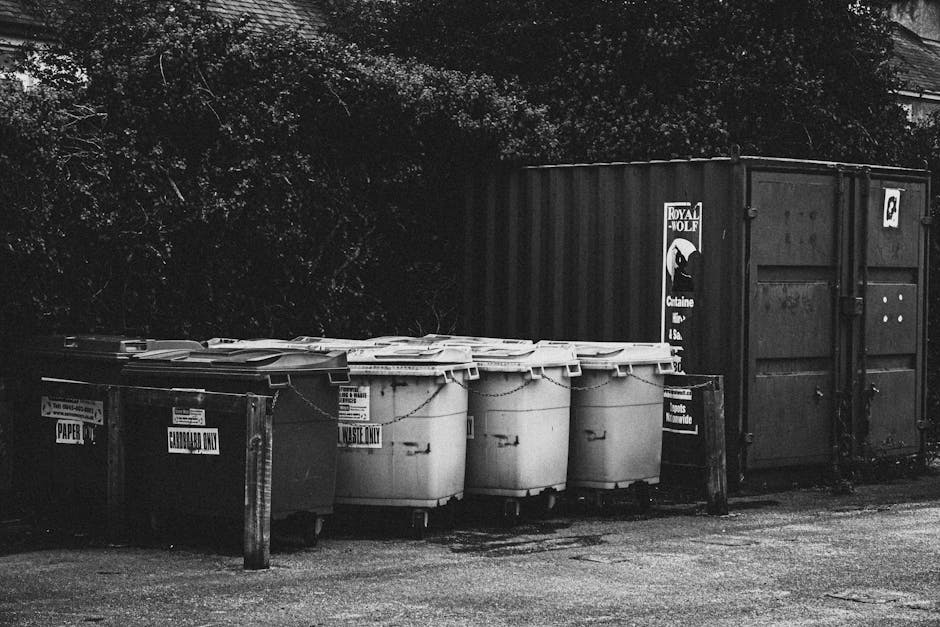
Islington Council Rules for Waste Disposal and Cleaners
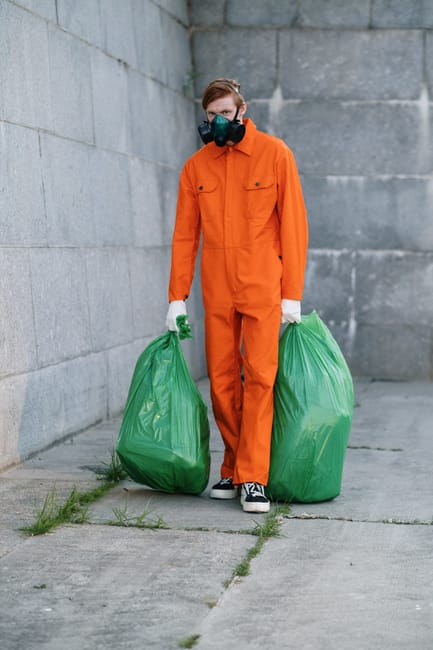
If you live, rent, clean, or manage property in Islington, waste can turn from a small daily job into a real headache very quickly. Bags left out too early, the wrong bin mix, a missed bulky item collection, or a cleaner unsure about disposal rules can all lead to complaints, extra work, and, in some cases, avoidable penalties. The good news is that once you understand the basics of Islington Council Rules for Waste Disposal and Cleaners, the whole process becomes far more straightforward.
This guide breaks down what the rules mean in practice, how cleaners should handle rubbish responsibly, what residents and landlords should expect, and how to stay tidy without making life harder for yourself. It is written for real day-to-day use, not just theory. And yes, that matters more than it sounds.
- Why the rules matter
- How the process works
- Benefits and practical advantages
- Who needs to follow these rules
- Step-by-step guidance
- Expert tips for better results
- Common mistakes to avoid
- Tools, resources and recommendations
- Compliance and best practice
- Options and comparison
- Real-world example
- Practical checklist
- Conclusion
- Frequently asked questions
Why Islington Council Rules for Waste Disposal and Cleaners Matters
Waste rules are not just about keeping streets looking neat. They are part of how homes, blocks of flats, offices, and shared buildings stay safe, hygienic, and manageable. In a borough like Islington, where properties are often close together and storage space is limited, one careless bin day can affect several neighbours at once. You will notice this especially in flats, basement conversions, and busy high streets where rubbish has to be handled with a bit more discipline.
For cleaners, the stakes are slightly different but just as important. A cleaner may be asked to bag waste, move recycling, separate bulky items, or leave everything ready for collection. If they do it badly, the property can look untidy again within hours. If they do it well, the entire clean feels complete. That is the difference between a decent job and a proper one.
There is also a trust element. Residents want to know that cleaners are not dumping mixed waste in the wrong place or leaving bags in shared hallways. Landlords and letting agents want a property left in a condition that will not trigger complaints. And homeowners, frankly, just want the bins sorted without having to think about it all weekend.
Practical takeaway: waste disposal is part of the cleaning job, not an afterthought. In Islington, getting it right helps avoid mess, disputes, and unnecessary call-backs.
How Islington Council Rules for Waste Disposal and Cleaners Works
At a practical level, the rules usually come down to three things: what goes in each bin, when waste can be put out, and who is responsible for handling it. Councils set collection arrangements to keep streets clear and to make sure recyclables, food waste, general rubbish, and bulky items are managed properly. Cleaners need to work within those arrangements rather than improvising on the spot.
Most households and managed buildings have some mix of residual waste, recycling, and sometimes food waste. Cleaners should not assume every bag is just "rubbish." Mixed waste can cause contamination, which creates more work for residents and waste teams later. To be fair, a lot of waste mistakes happen simply because nobody paused to read the bin labels.
In shared accommodation or blocks, cleaners also need to think about access and storage. A bag left in the wrong communal area can become a trip hazard or a fire risk. In busy buildings, a small oversight can become everyone's problem by dinner time. That is why clear instructions from the resident, landlord, or property manager matter so much.
For deeper cleans, end-of-tenancy work, or one-off jobs, waste handling should be agreed before the visit begins. For example, if the property needs old packaging, broken household items, or forgotten clutter removed, the cleaner should know whether they are expected to bag it only, move it to the correct bin area, or leave it untouched. That distinction matters. A lot.
Some jobs also overlap with services like end of tenancy cleaning in Highbury, where waste removal and final presentation are closely connected. If a cleaner leaves food scraps in the fridge, loose cardboard by the back door, or general rubbish in the hallway, the property may still look unfinished even after the actual clean is done.
Key Benefits and Practical Advantages
Following waste rules properly brings benefits that are easy to underestimate until you have had to deal with a mess or complaint. The most obvious one is hygiene. Waste left too long can attract smells, pests, and stains, especially in warm weather. Even on a grey London morning, you can usually tell when bins have been left to build up. The smell gives it away before you even see the bags.
Another benefit is smoother collection. Properly sorted waste is easier to manage, easier to move, and less likely to be rejected or ignored by collection teams. That means less clutter in front of the property and fewer awkward conversations with neighbours. It also helps cleaners work more efficiently, because they do not need to keep stopping to decide what goes where.
There is a reputational benefit too. If you are a landlord, letting agent, or managing a rental property, a clean waste area signals that the place is cared for. If you are a tenant, it helps show you have left the property responsibly. If you are a cleaner, it quietly demonstrates professionalism. No drama, just competence.
Here is the practical upside in plain English:
- less bad odour and contamination
- fewer complaints from neighbours or building managers
- better presentation for inspections, check-outs, and viewings
- less back-and-forth over what the cleaner should take away
- lower risk of missed collections or rejected waste
If waste management is part of a wider service, such as domestic cleaning in Highbury or house cleaning in Highbury, the whole property tends to feel calmer. That may sound a bit dramatic, but anyone who has come home to a tidy kitchen and a clear bin area knows the feeling.
Who This Is For and When It Makes Sense
This topic is relevant to more people than you might first think. It is not only for cleaners, and it is not only for landlords either.
- Tenants who want to leave a flat in good order without getting hit by avoidable issues at check-out.
- Homeowners who want a cleaner to help keep the home tidy without making waste management messy.
- Landlords and agents who need clear standards for vacated properties, communal areas, and final cleans.
- Cleaners and cleaning companies who need a simple, reliable way to handle rubbish, sorting, and disposal expectations.
- Office managers who need cleaner workspaces, especially where paper waste, packaging, and food waste all pile up.
It makes the most sense when the property is busy, shared, or on a tight turnaround. Think Friday evening after a tenant moves out, Monday morning before a landlord inspection, or after a gathering where the bin situation has spiralled a bit. We have all seen that moment when a single black sack somehow turns into three, plus a mystery takeaway box nobody admits to. Human nature, really.
If you are planning a one-off spruce-up, it may also be worth looking at one-off cleaning in Highbury or spring cleaning support if the waste issue is part of a bigger reset rather than an everyday task.
Step-by-Step Guidance
Here is a practical way to approach waste disposal rules without overcomplicating it.
- Check the property setup first. Find out what bins, caddies, and storage space are available. In some homes, the issue is not discipline; it is simply a lack of space.
- Separate waste at the source. Keep recyclables, general waste, and food waste apart where possible. Do not toss everything into one black bag and hope for the best.
- Bag waste securely. Leaking bags create stains and smells. Double-bagging may be sensible for wet or messy refuse, but only where appropriate.
- Use the correct collection point. In shared buildings, ask where bags should be left. A neat bag in the wrong place is still a problem.
- Plan timing around collection days. If waste is put out too early, it can block pavements or get scattered before pickup.
- Remove bulky items only with permission. Mattresses, furniture, and large appliances need extra thought. Do not assume they can just be abandoned by the bin store.
- Confirm who handles final disposal. The cleaner may bag and stage waste, but the resident or building may need to arrange the actual uplift. Make that clear.
A small example: a cleaner arrives for a flat clean in Islington on a damp Tuesday. The kitchen bin is already full, recycling is mixed with food packaging, and there are two cardboard boxes left near the door. If the cleaner has clear instructions, the job is simple: sort, bag, and stage. If not, they spend time guessing. Guessing is never a good system.
For flat-specific jobs, guides like the Highbury Barn flat cleaning checklist can be useful for understanding the practical shape of a tidy exit. And if access timing is tight, booking delays for end-of-tenancy cleaning is worth reading before you leave everything to the last minute. That last-minute scramble always feels worse than it should.
Expert Tips for Better Results
The easiest way to improve waste handling is to make it boring. Boring is good here. When the process is predictable, people make fewer mistakes.
1. Put simple instructions in writing. Even a short note helps: what goes in which bag, where bags should be left, and what should never be moved. It removes the awkward "I thought someone else was doing that" problem.
2. Use separate bags for separate streams. One bag for general waste, another for dry recycling, another for food waste if needed. It is not glamorous, but it works.
3. Do not leave cleaners to guess on bulky waste. If a sofa, broken chair, or old microwave needs removing, agree the plan before the visit. Otherwise, the cleaner might do the safe thing and leave it in place, which is understandable even if annoying.
4. Think about the route out of the property. A tidy bag is still a problem if it has to pass through a carpeted corridor, a narrow stairwell, or a shared entrance that other residents use. The journey matters, not just the destination.
5. Keep a spare liner or two available. A surprisingly small thing, but it saves a lot of stress on the day.
If the job includes deeper cleaning, waste management often pairs naturally with deep cleaning in Highbury. When both are handled together, the result tends to feel properly finished rather than halfway there.
Common Mistakes to Avoid
Most problems are predictable, which is a bit annoying because it means they are avoidable. Still, that is useful if you know what to watch for.
- Mixing everything together. This is the classic mistake. It saves time for about two minutes and creates more work later.
- Leaving bags out too early. Early placement can attract mess, pests, or complaints from neighbours.
- Assuming the cleaner will dispose of everything. Cleaners need a clear scope. Some will bag and stage waste only; others may not be authorised to remove it at all.
- Ignoring communal rules. In shared buildings, the estate or block may have additional expectations. Those matter just as much as council collection timing.
- Forgetting hazardous or awkward items. Broken glass, sharps, chemicals, batteries, and similar items need special care. Do not leave them loose in a general bag.
- Using the wrong cleaner for the job. A standard domestic clean and a full post-clear-out tidy are not the same thing.
A slightly messy truth: some people wait until the end of the clean to mention the bins. By then, it is late. The cleaner has already structured the job around the original brief. That's where confusion starts. And confusion, in waste work, usually means bags in the wrong place.
Tools, Resources and Recommendations
You do not need fancy equipment, just sensible basics.
| Tool or item | Why it helps | Best use |
|---|---|---|
| Strong bin liners | Reduces leaks and splits | Kitchen waste, mixed refuse, damp packaging |
| Separate recycling bags or boxes | Keeps waste streams clearer | Paper, cans, plastics, clean cardboard |
| Labels or simple written notes | Avoids confusion for cleaners and residents | Shared homes, managed flats, rental turnovers |
| Disposable gloves | Basic hygiene and safer handling | Dirty bins, food spills, post-party clean-ups |
| Small trolley or sturdy bag carrier | Makes movement easier in larger properties | Flats with long corridors or multiple floors |
If you want to understand broader service expectations, the services overview and health and safety policy pages are useful starting points. They help set the tone for what a professional cleaning visit should look like, especially when waste and safety overlap.
For general questions, you can also reach out through the contact page or request a tailored estimate via the quote request page. That is often the fastest way to sort out a more complex job.
Law, Compliance, Standards, or Best Practice
Waste handling in the UK sits within a wider framework of local council requirements, building rules, and general environmental responsibility. For readers, the safest approach is to treat council guidance as the main reference point and then layer on building-specific instructions where relevant. Do not assume one property works like another. In Islington, that assumption can trip you up fast.
For cleaners, best practice usually means:
- following the agreed scope of work
- avoiding unsafe handling of sharp, heavy, or hazardous items
- keeping walkways and exits clear
- respecting communal areas and neighbour access
- separating waste responsibly where the property setup allows it
Where there is uncertainty, use cautious wording with clients. Say what you can do, what you cannot do, and what may require separate disposal arrangements. That level of clarity protects everyone. It is also just kinder, really.
For commercial premises, the bar is often a little higher because waste accumulates faster and public-facing hygiene matters more. In those cases, office cleaning in Highbury may be a better fit than a general home clean, simply because the workflow and waste load are different.
Options, Methods, or Comparison Table
Different properties need different waste approaches. Here is a simple comparison to help you choose what makes sense.
| Method | Best for | Pros | Watch out for |
|---|---|---|---|
| Resident-led disposal | Routine household waste | Clear responsibility, simple to manage | Can fail if residents are busy or away |
| Cleaner bags and stages waste | Scheduled cleans and turnovers | Fast, tidy, practical | Needs clear instructions and bin access |
| Property manager coordinates disposal | Managed flats and shared buildings | Centralised control, fewer disputes | Can become slow if communication is weak |
| Specialist bulky-item arrangement | Furniture, appliances, large clear-outs | Safer and more appropriate for awkward items | Needs advance planning |
In practice, the best option is the one that matches the property, the waste volume, and the time available. A tiny one-bed flat after a week of normal living does not need the same approach as a three-bed rental after a tenant move-out. Obvious, yes, but people still mix them up.
Case Study or Real-World Example
Here is a realistic example from the kind of situation many local cleaners and residents recognise.
A tenant in a Highbury flat books a final clean before handing back the keys. The kitchen has food waste, the bedroom has a cardboard mountain from recent deliveries, and the hallway has two bags of unwanted bits and pieces that were meant to go out "later." The cleaner arrives, walks through the flat, and asks one simple question: what stays, what goes, and what should be left for the resident?
Because the waste plan was discussed at the start, the cleaner bags the rubbish, separates the recycling where possible, and leaves the correct items neatly by the designated collection point. The fridge is cleared, surfaces are wiped, and the flat looks ready for inspection. No mystery bags. No crossed wires. No last-minute panic in the corridor while someone tries to remember where the green bin is.
That is the real point of these rules. They make a stressful moving-day situation more manageable. They also help avoid the common end-of-tenancy problem where the flat is technically clean but still feels unfinished because waste was not handled properly. For readers dealing with move-outs, booking delays for Highbury end-of-tenancy cleaning is a useful reminder not to leave the schedule to chance.
Practical Checklist
Use this checklist before, during, or after a cleaning visit.
- Confirm the waste type in the property: general, recycling, food, bulky, or mixed.
- Check bin locations and shared-access rules.
- Agree whether the cleaner is bagging, moving, or disposing of waste.
- Set out any special items that must not go into normal bins.
- Keep strong liners, gloves, and spare bags ready.
- Make sure walkways and exits stay clear.
- Keep cardboard, packaging, and food waste separate where possible.
- Plan around collection day so waste does not sit out too early.
- Tell the cleaner about sharp, heavy, or awkward items in advance.
- Double-check that the property looks tidy once waste is removed.
If you are dealing with a larger home or a post-event mess, some of the same principles apply to more specialised jobs too. For example, common problems during Highbury sofa cleaning jobs shows how often a cleaning task is really about preparation, not just the final wipe-down.
Get a free quote today and see how much you can save.
Conclusion
Islington Council waste rules can feel a bit dull at first glance, but in real life they shape how clean, safe, and easy a property is to manage. When cleaners, tenants, landlords, and property managers all understand the same expectations, waste stops becoming a recurring problem and starts behaving like part of the routine.
The key is simple: separate waste properly, agree who is responsible for what, and do not leave disposal to guesswork. That approach saves time, reduces complaints, and makes a property feel looked after. And honestly, that sense of order is worth a lot on a rainy London afternoon when the bins are finally under control.
If you want help with a cleaner, tidier, more manageable property in Highbury, the next step is straightforward: ask questions early, set clear expectations, and keep the process calm. Little things add up. They really do.
Frequently Asked Questions
What are Islington Council Rules for Waste Disposal and Cleaners in simple terms?
They are the practical rules and expectations around how waste should be separated, stored, moved, and put out for collection, especially when a cleaner is involved. In plain English, they help make sure rubbish does not become a mess, a hazard, or a neighbour problem.
Can a cleaner throw away household rubbish for me?
Sometimes yes, sometimes no. It depends on the agreed service, access to bins, and whether the cleaner is only bagging waste or is also expected to move it to the correct collection point. It is best to confirm this before the job starts.
Do cleaners need to separate recycling from general waste?
Where the property setup allows it, yes, that is usually best practice. It makes the property tidier and avoids contamination. If the property has only one clearly designated disposal method, the cleaner should follow that instruction instead.
What should happen with bulky items like furniture or mattresses?
Bulky items usually need special handling and should not be left for guesswork. The cleaner should be told in advance whether the item is to be left in place, moved to a collection point, or dealt with through a separate arrangement.
Is it okay to leave bags in a communal hallway?
Only if the building rules and agreed collection process allow it. Otherwise, bags in a hallway can create obstructions, smells, and complaints. In shared buildings, clarity matters more than convenience.
What if I live in a flat with very little bin space?
That is common, especially in London. The best approach is to separate waste as carefully as possible, use sturdy bags, and time disposal around collection days. For cleaners, short written instructions can help a lot.
Do Islington waste rules affect end-of-tenancy cleaning?
Yes, very much so. End-of-tenancy cleans often involve leftover packaging, unwanted items, and final bin clear-outs. If waste is not managed properly, a property can still look unfinished even when the surfaces are spotless.
What happens if waste is mixed incorrectly?
Mixed waste can lead to contamination, extra mess, and sometimes rejected bins or complaints. It also makes the property look less cared for. That is why a few minutes of sorting at the start can save a lot of hassle later.
Should I tell the cleaner about hazardous waste?
Absolutely. Broken glass, sharp objects, batteries, chemicals, and similar items need special care. A cleaner should never have to discover those hidden in a random bag halfway through the job.
How do I make waste handling easier for my cleaner?
Give simple instructions, label anything unusual, keep bins accessible, and say clearly what should be bagged, moved, or left alone. A tidy note on the counter can save twenty minutes of confusion.
Does this apply to office cleaning too?
Yes. Offices generate paper, food waste, packaging, and sometimes confidential rubbish that needs careful handling. For that reason, waste planning is part of a sensible office clean, not an optional extra.
When should I ask for a quote instead of guessing the job size?
If there is a lot of waste, unclear access, bulky items, or a move-out deadline, it is better to ask for a quote early. That gives everyone a clearer picture and reduces the chance of last-minute surprises.